
ARTS and ENTERTAINEMENT

Winner: Sarah Krichel, The Tyee, for her essays on the escapist necessity of reality TV and nostalgia for AI slop in the era of inconspicuous AI. Judges said these entries from The Tyee “demonstrate arts reporting at its most incisive.”

Emily Donaldson, The Globe and Mail, for her unique profile of British nature writer Robert Macfarlane, which doubles as a profile of the landscapes he chronicled.

Ben Waldman, Winnipeg Free Press, for his in-depth feature on Captain Canuck, the creation of a Winnipeg illustrator 50 years ago finding new audiences and relevance today.
JOAN HOLLOBON AWARD for BEAT REPORTING
As the Globe and Mail’s medical reporter from 1959 to 1985, Joan Hollobon set the standard for beat reporting, tackling breaking news, investigative pieces and explanatory articles with equal ease.
The award is sponsored by the Globe and Mail.

Winner: Terry Pender, Waterloo Region Record, for his tenacious ongoing coverage of threats against the Waterloo region’s water supply. Judges said Pender’s reporting shows grit and perseverance, dedication by his newspaper, and the power of local journalism.”

Jacques Gallant, Toronto Star, for his cohesive coverage of the Hockey Canada trial and all of its complexities.

Ariane Lacoursière, La Presse, for wide-ranging health coverage spanning news reports, in-depth features and investigative pieces.
STUART M. ROBERTSON AWARD for BREAKING NEWS
Stuart M. Robertson was one of Canada’s top media lawyers, renowned for his dedication to finding a way to publish information of public interest, even in the face of potential legal obstacles.
This award is sponsored by Paul and Lauraine Woods.

Winners: The Canadian Press, for their responsive and compassionate coverage of the Lapu Lapu street festival attack in Vancouver. Judges praised the team for the “swiftness of response and sustained commitment to offering clarity and compassion.”
- Nine dead after SUV plows through Vancouver Filipino festival, man arrested
- ‘Tragedy all around’: Murder charges follow Vancouver festival attack that killed 11
- ‘A weapon’: Vancouver ramming is latest attack to turn vehicles into deadly tools
- Shock, devastation among Filipino community after Vancouver SUV attack that killed 11
- Father, mother, five-year-old daughter, killed in Vancouver attack, leave son behind
- Mourning the victims of the Vancouver Filipino festival attack
- The latest developments on the deadly street festival attack in Vancouver

Daniel Renaud, Mayssa Ferah and Vincent Larouche, La Presse, for their authoritative coverage of the Montreal underworld’s connection to drug kingpin Ryan Wedding.

The Winnipeg Free Press, for sensitive, far-reaching coverage of the mass stabbing in Hollow Water First Nation, a semi-remote Indigenous community.
BUSINESS

Winner: Marco Chown Oved, Toronto Star, for his coverage of how Tesla exploited the federal government’s electric vehicle rebate program and its impact on Canadian auto dealers. Judges said Ottawa’s decision to reopen the program and reimburse auto dealers was due to the Star’s persistent reporting.

Jameson Berkow, The Globe and Mail, for his ongoing coverage of the rapidly growing Indigenous-led business sector and its outsized role in driving Canada’s economic growth.

Kathryn Blaze Baum and Alexandra Posadzki, The Globe and Mail, for their series of stories about the digital black market created by Meta’s failure to address hacked accounts and its impact on businesses.
MARY ANN SHADD CARY AWARD AWARD for COLUMNS
Mary Ann Shadd Cary was a pioneering 19th-century newspaper publisher who founded the Provincial Freeman, a southern Ontario newspaper fighting for the abolition of slavery.


Winner: Niigaan Sinclair, Winnipeg Free Press, for columns on the death of Pope Francis, the gut punch of Thomas King’s admission he was not Indigenous, and the power of Wab Kinew’s comments on child pornography legislation. Judges said: “Sinclair asks questions that stay with the reader and invite reflection long after reading his column.”

Rima Elkouri, La Presse, for her columns on the immigration debate and the many ways it divides Quebec.
Arno Kopecky, National Observer, for his dispatches from a self-guided campaign trail following Pierre Poilievre’s announcement he wouldn’t allow journalists to travel with him.
DIGITAL STORYTELLING

Winner: Nathan Pilla, Toronto Star, for his portfolio of work on a wrong-way police pursuit, heat risk and workers, and ways to make Toronto better. Judges described Pilla as “a storyteller who reimagines what digital storytelling can do — not just in service of journalism, but as journalism itself.“

Jeremy Agius, The Globe and Mail, for his portfolio of work on mapping the measles outbreak, tiny condos and housing policy and Margaret Atwood’s Toronto.

Magdaline Boutros, Cédric Gagnon and Catherine Bombardier, Le Devoir, for their immersive, multimedia work on daily life in Gaza.
CLAUDE RYAN AWARD for EDITORIAL WRITING
Claude Ryan was the renowned editor of Le Devoir and had a great influence on the world of journalism in Quebec. He was one of Quebec’s most distinguished editorialists.
This award is sponsored by Le Devoir.


Winner: Kennedy Gordon, Prince George Citizen, for editorials on funding for seniors programs, misinformation and NIMBYism and the significance of funding local media. Judges said “Gordon’s work demonstrates why local newspapers are essential for democracy in Canada.”

Stéphanie Grammond, La Presse, for editorials on seizing the opportunity Trump provides for Canada, Canada Post and the catastrophic hidden costs of low-cost trucking.

Louise-Maude Rioux Soucy, Le Devoir, for editorials on the sweeping scope of a school scandal, the provincial government’s dispute with doctors and the immigration debate.
EXPLANATORY WORK

Winners: Lindsay Jones and Patrick White, The Globe and Mail, for their in-depth reporting on the toxic aftermath of forever chemicals in Newfoundland communities. Judges described this piece as “the epitome of exceptional explanatory journalism.”

Magdaline Boutros, Le Devoir, for her reporting from Nuuk, Greenland, a region thrust into the heart of global geopolitics, and its connection to the Inuit of Canada.
- En quête d’indépendance, les habitants du Groenland ne veulent être ni Américains ni Danois
- «Le Devoir» au Groenland: sous la neige et dans le sol, les rêves d’indépendance
- Convoité par Donald Trump, le Groenland est névralgique pour la défense de l’Amérique du Nord
- Avec Jørgen Boassen, son fan numéro 1, les paroles de Trump trouvent un écho au Groenland
- Les Inuits du Groenland, peuple frère des Inuits du Canada

Marsha McLeod, Winnipeg Free Press, for explaining the origins of the second-generation cut-off in Canada’s Indian Act, its impact on Indigenous families and possible alternatives.
FEATURE PHOTO

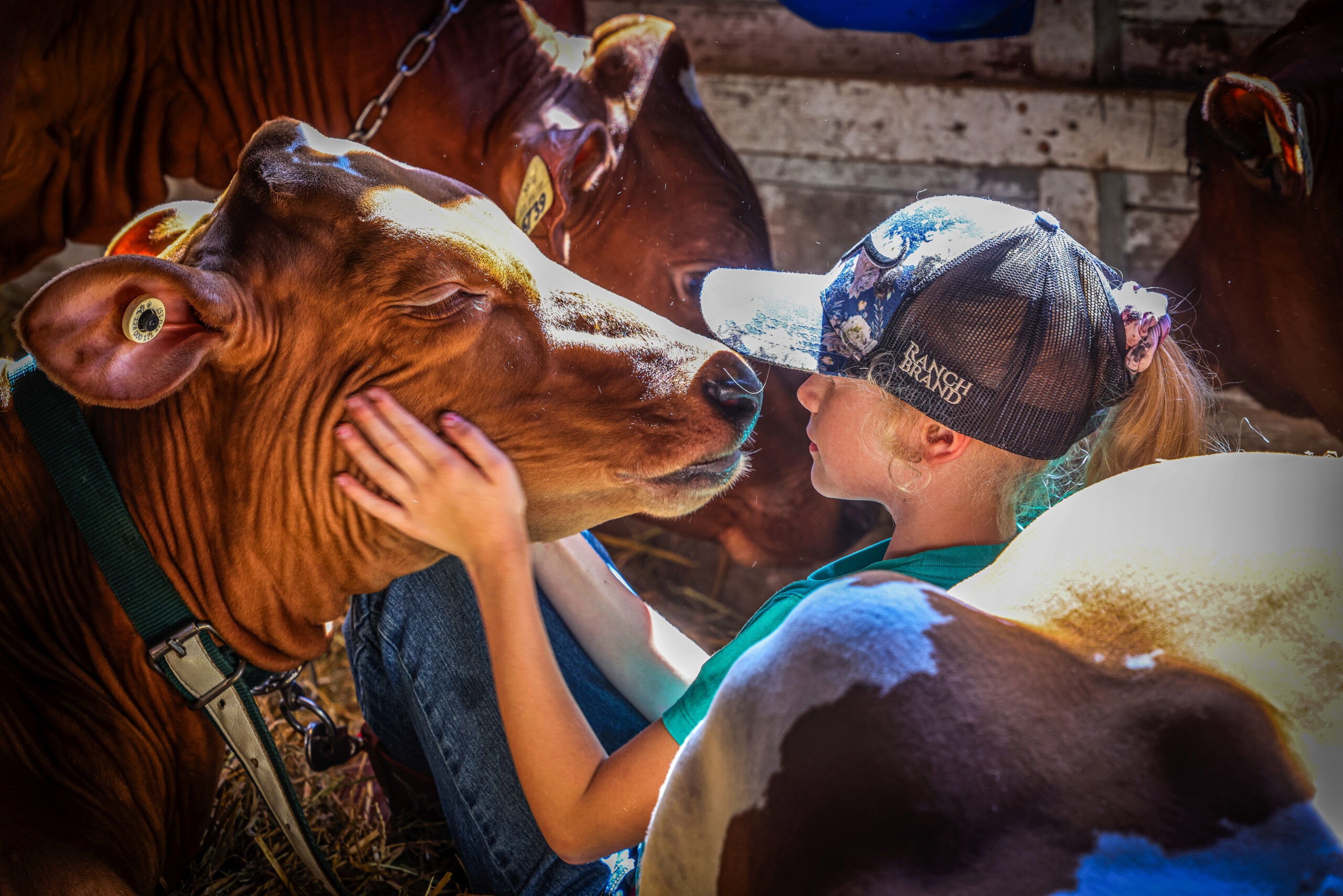
Winner: Marie-France Coallier, Le Devoir, for her photo from the agricultural fair at Expo Brome, an annual event in the Eastern Townships. Judges said, “The photographer found a beautifully lit moment in a challenging environment and transformed it into a wonderful feature photo.”

Meagan Hancock, Globe and Mail, for her photo from Kings Theatre, a beloved, community venue in Annapolis Royal, N.S.


Richard Lautens, Toronto Star, for his photo from the cooling pad at Celebration Square in Mississauga.

ILLUSTRATED COMMENTARY

Winner: Michael de Adder, The Globe and Mail, for his political satire on the impact of the Trump presidency. Judges described it as “truly memorable satire that felt fresh and provocative.”

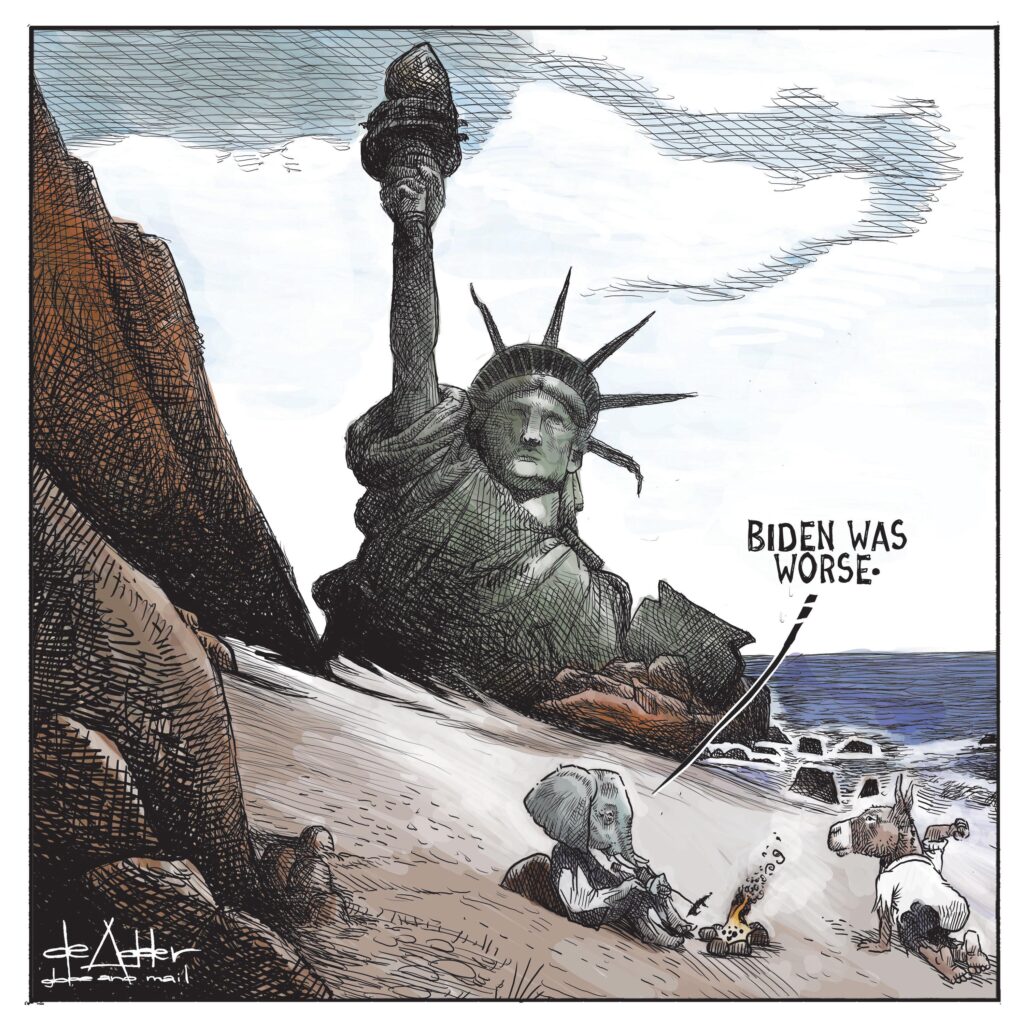
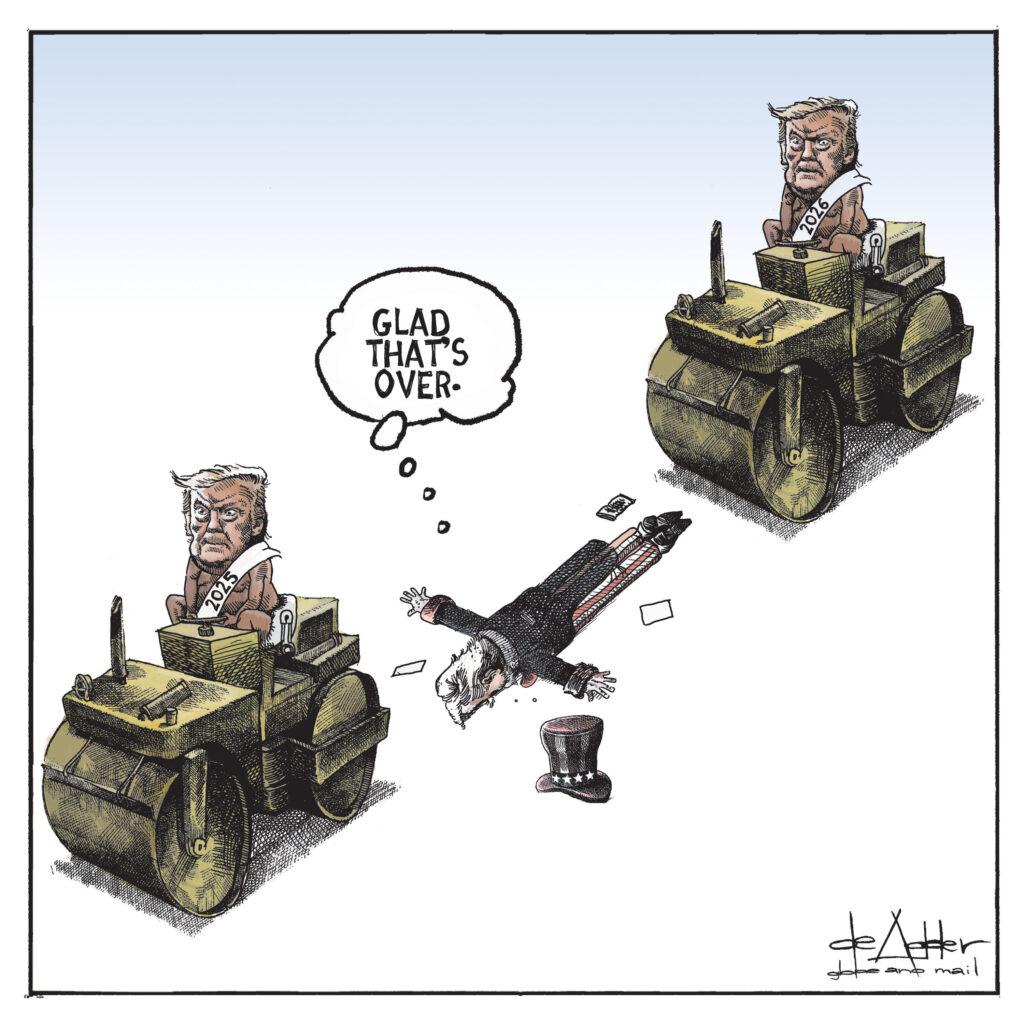
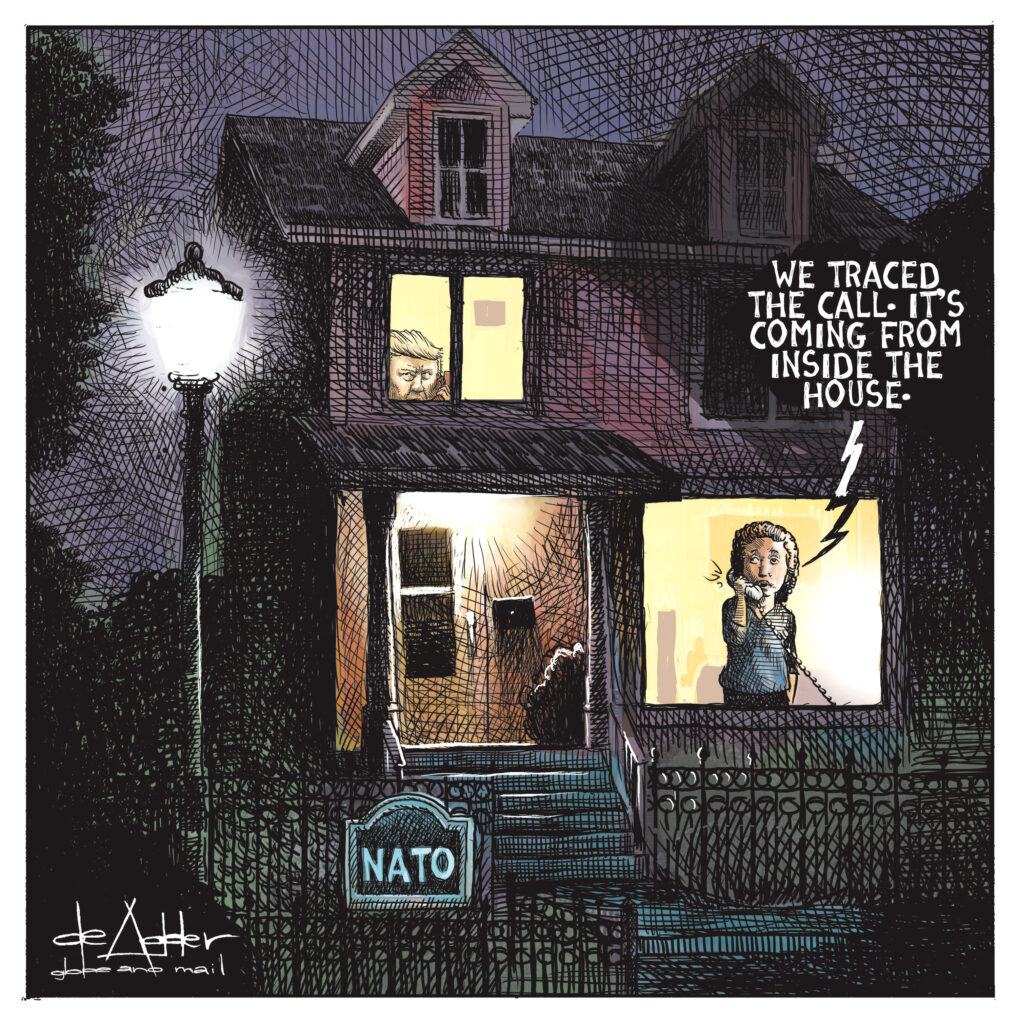
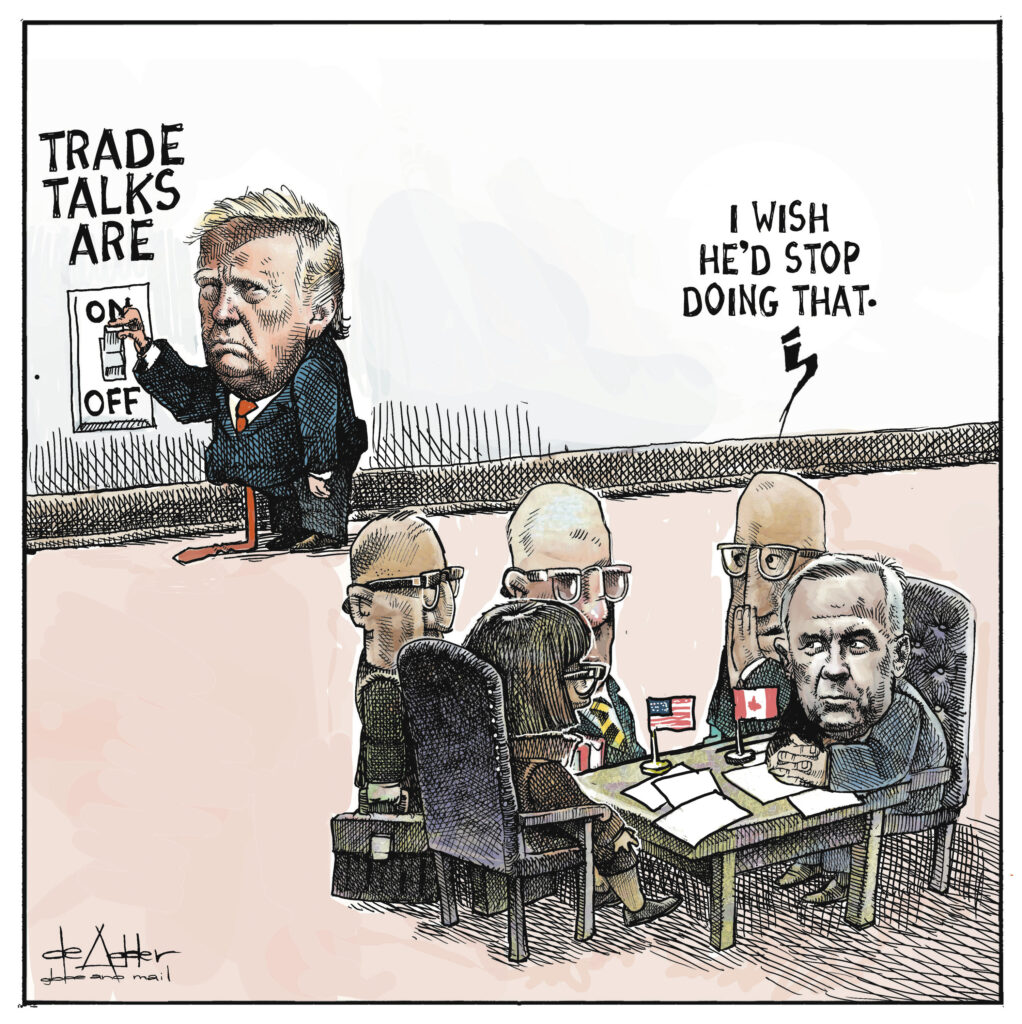

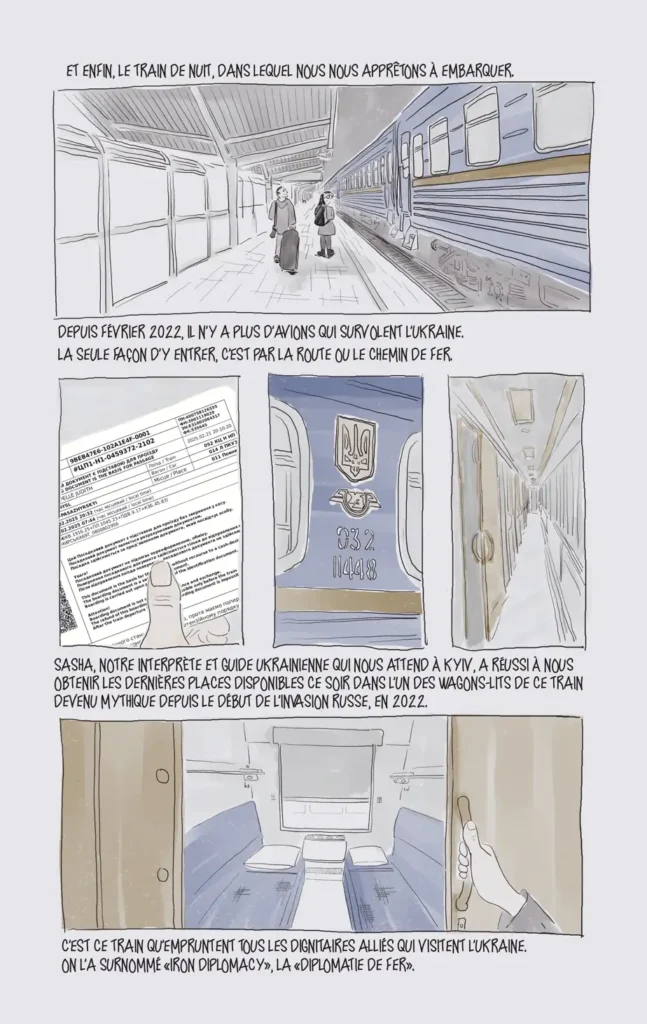
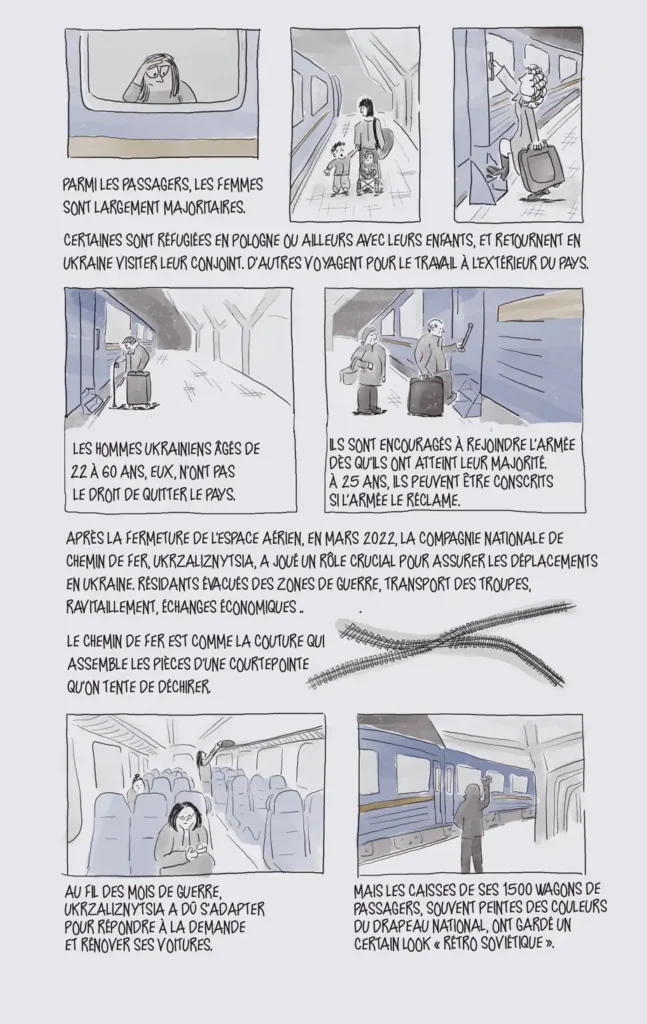
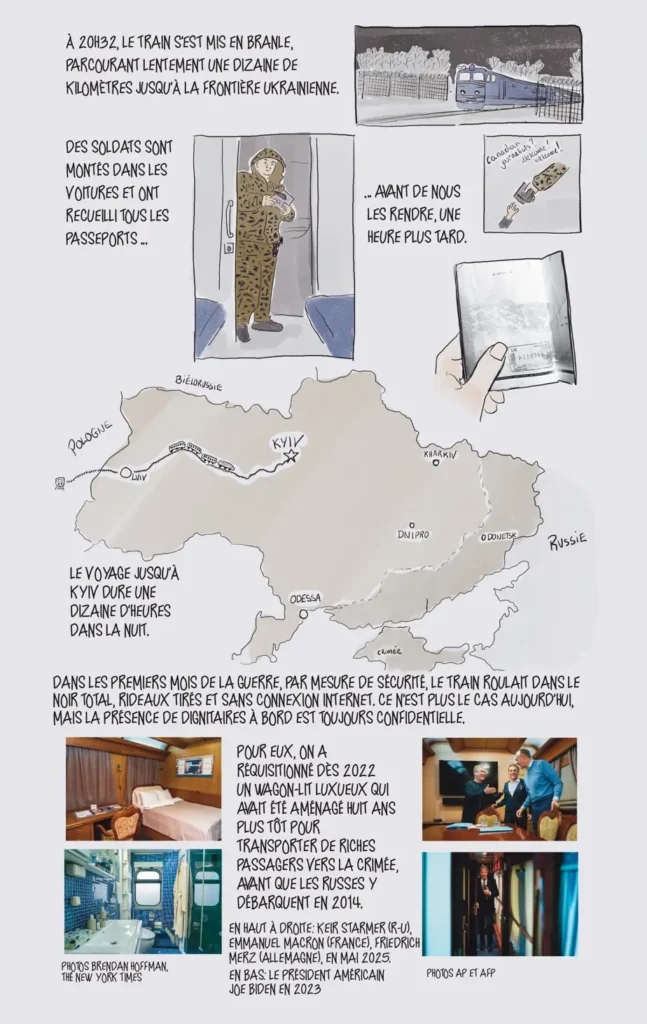
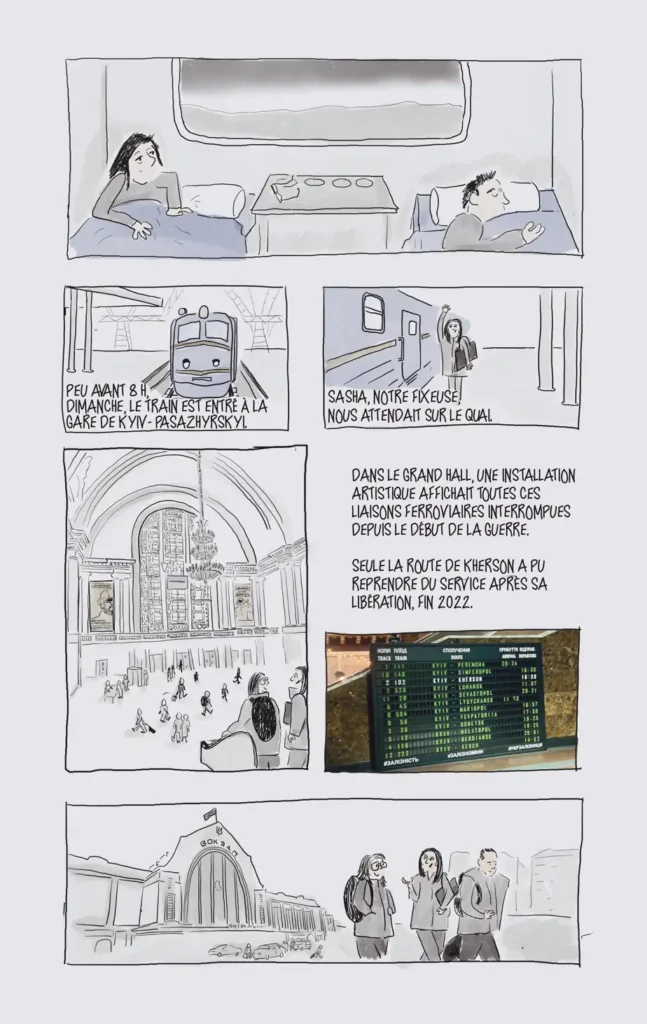
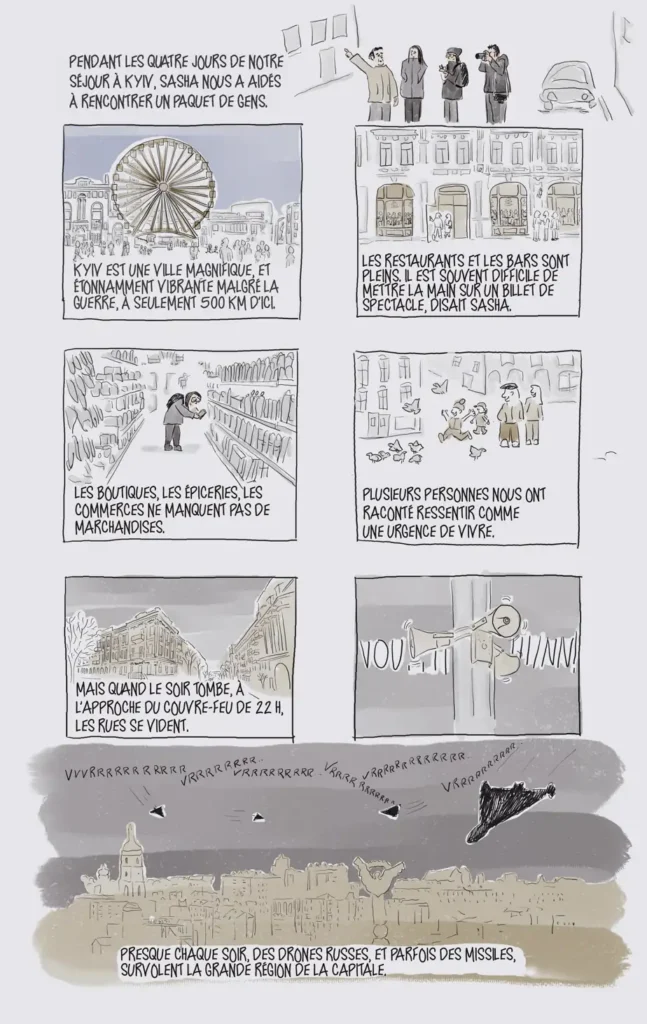
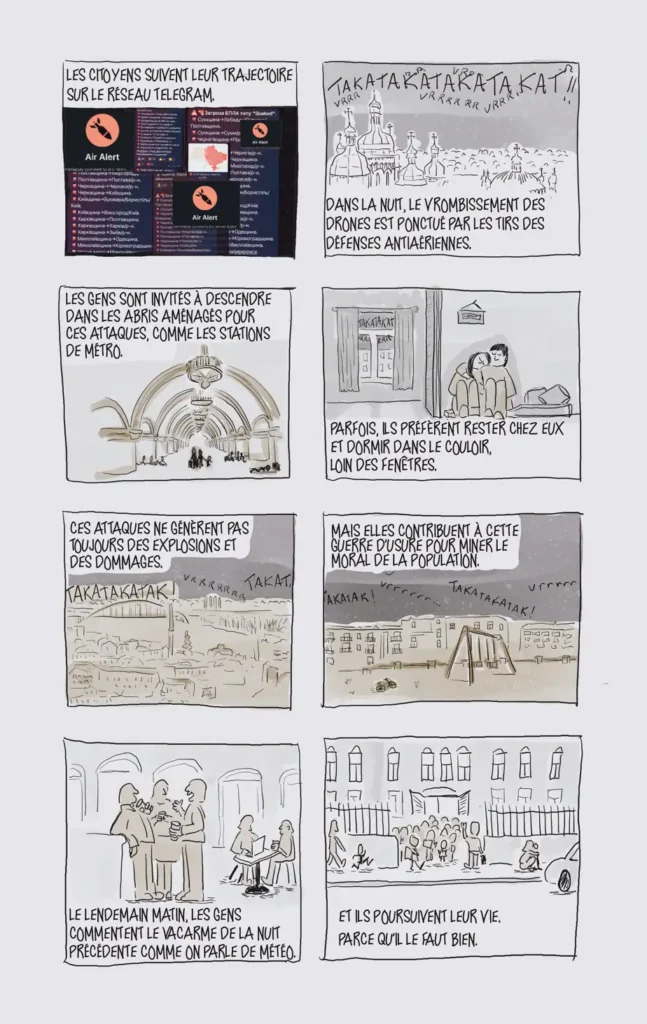
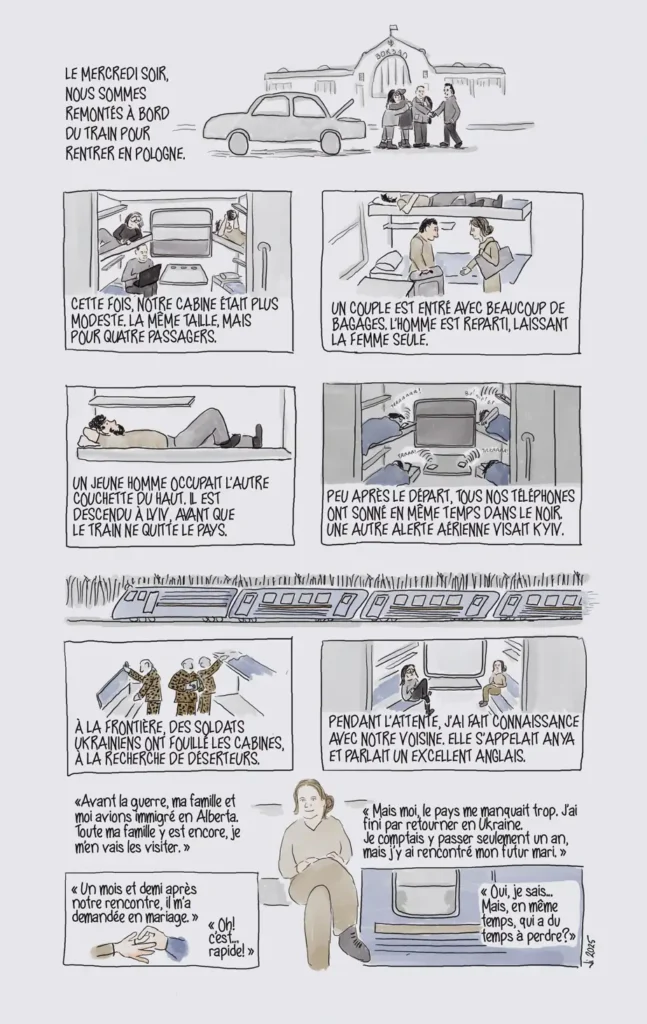
Judith Lachapelle, La Presse, for her multi-panel illustration about daily life in Ukraine and the challenges of travelling into an active conflict.


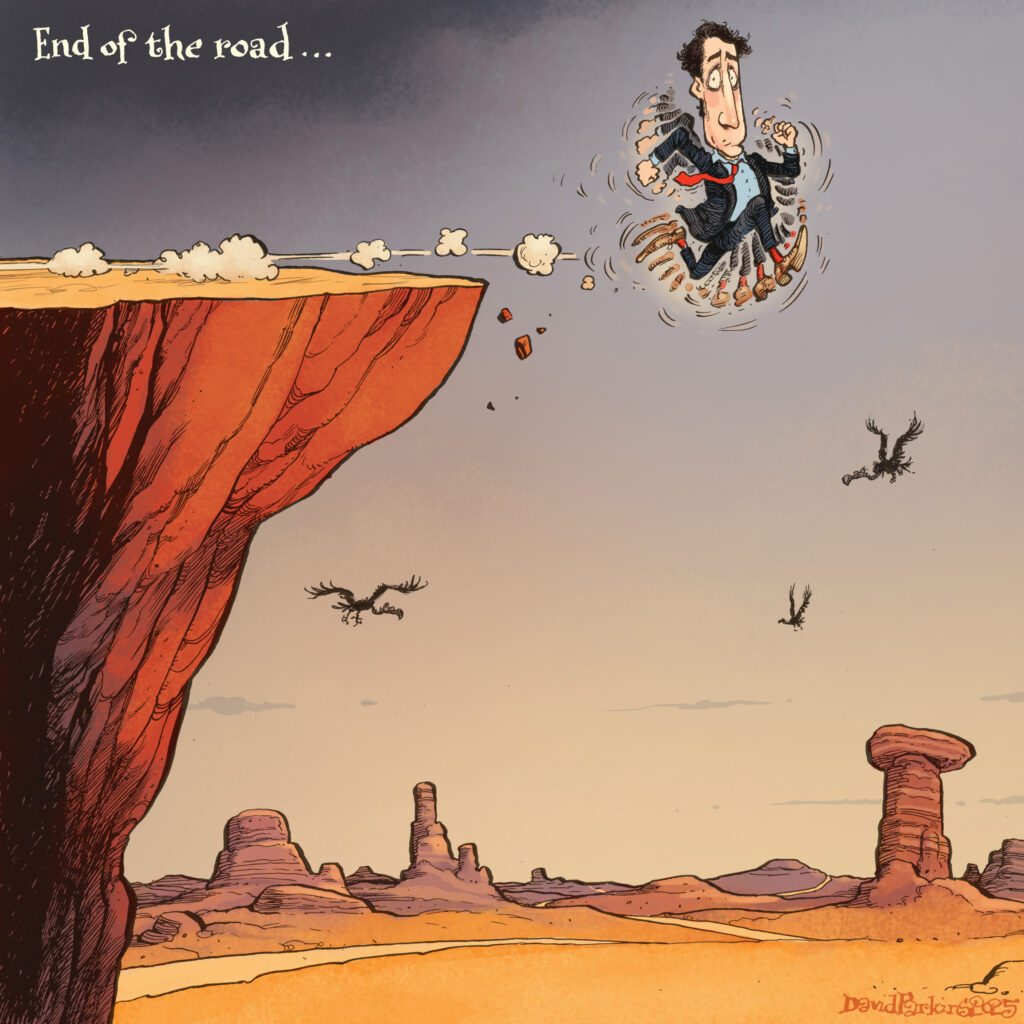
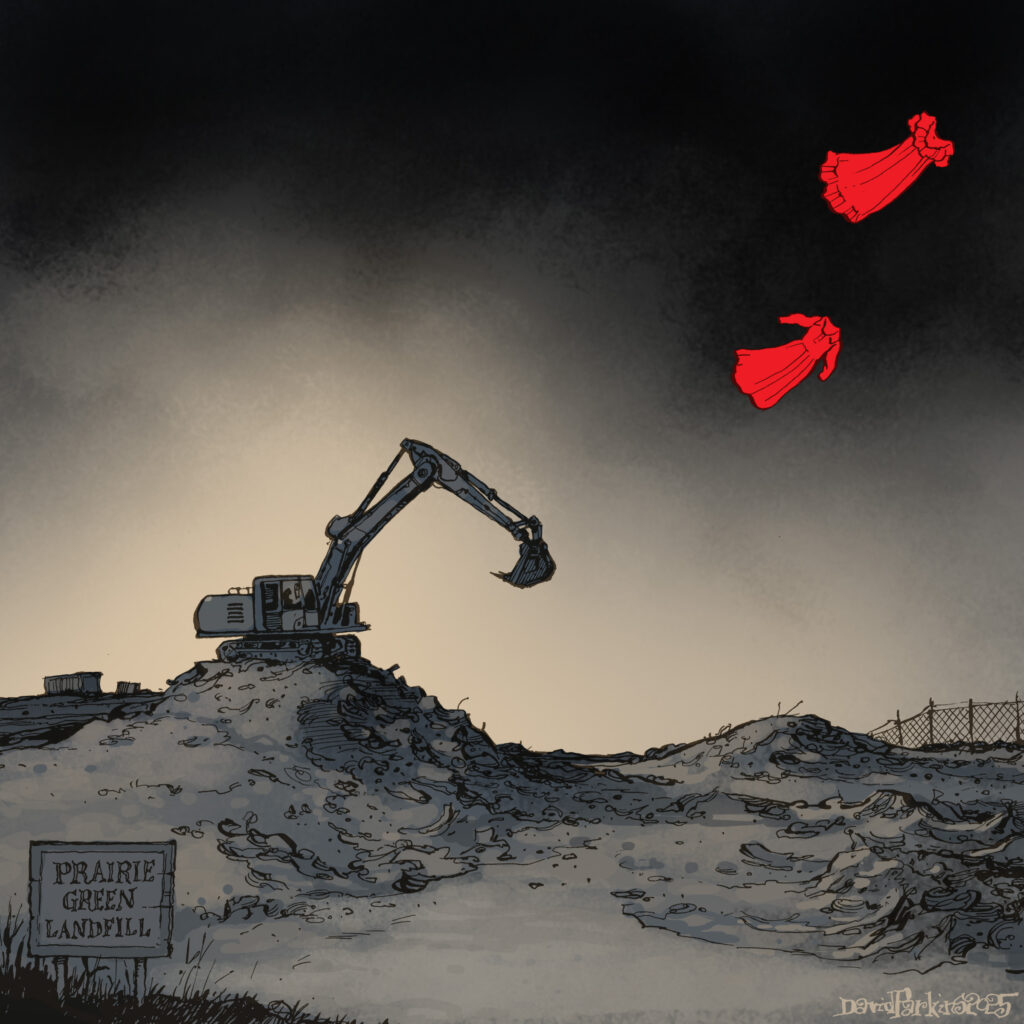
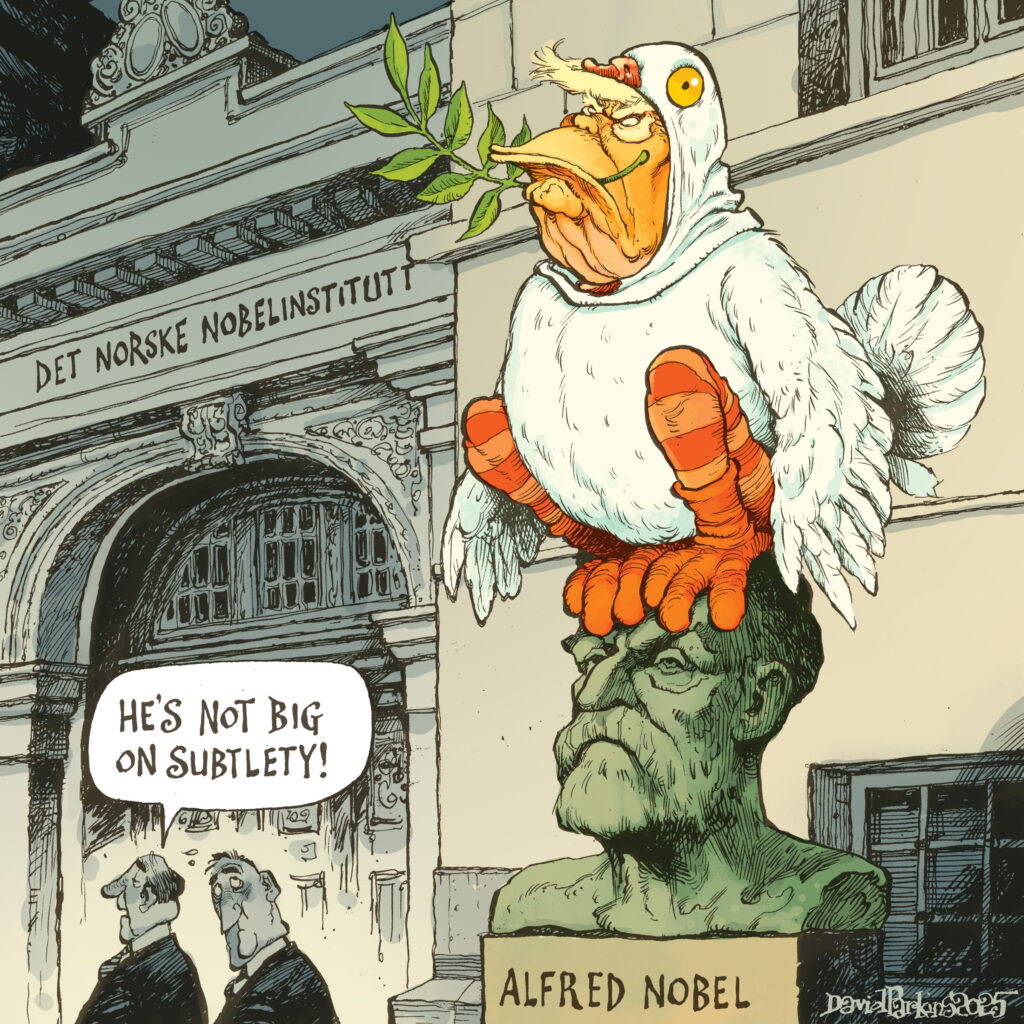
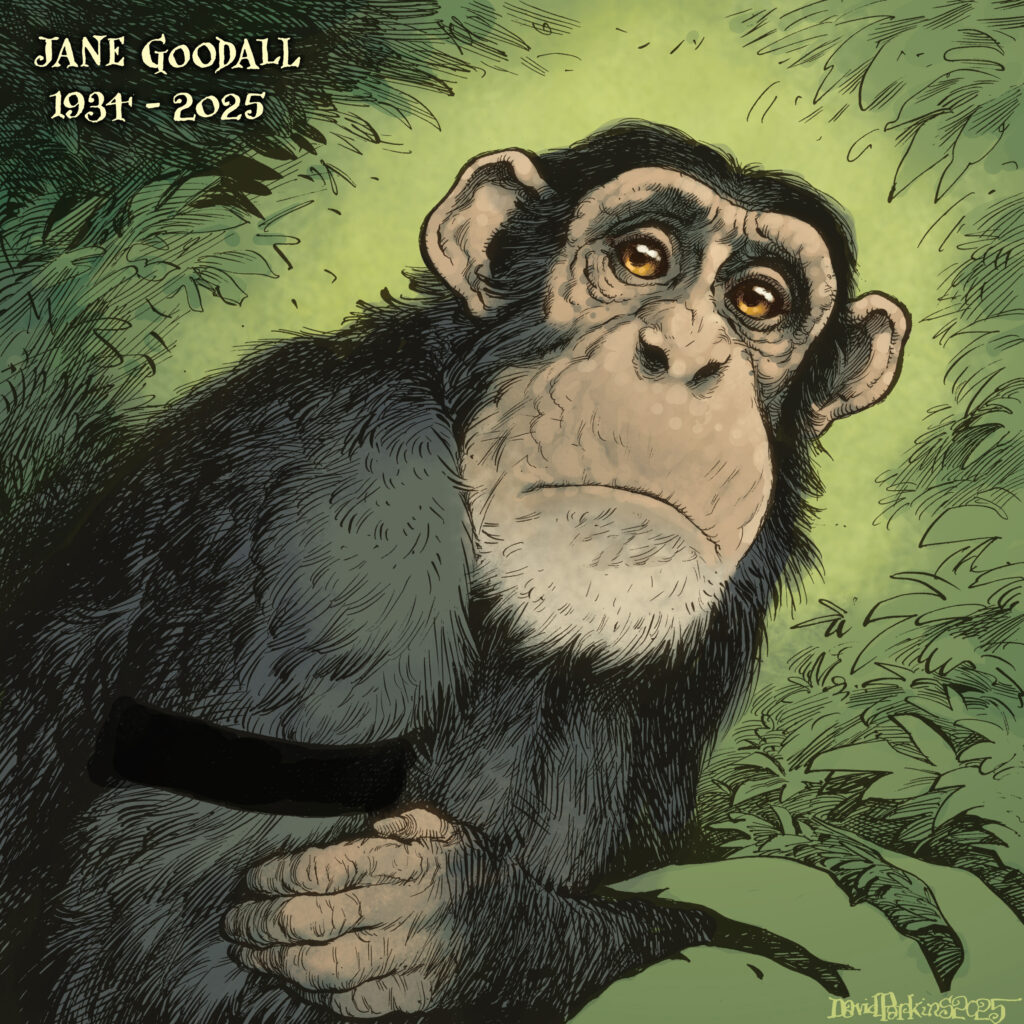
David Parkins, The Globe and Mail, for a portfolio of cartoons ranging from domestic politics to international, to the search for missing and murdered Indigenous women.

INNOVATION IN JOURNALISM

Winners: Cody Gault and Lucas Timmons, Toronto Star, for their automated natural language search engine which provided real-time riding data for all 343 ridings across Canada in the 2025 election. Judges said: “The Star identified a genuinely underserved area of coverage and built something to address it.”

Taproot Edmonton, for its Taproot Survey, created to inform the city’s municipal election and guide its voters on an unprecedented scale.

Rory White, Bruno De Bondt, David McKie, Jimmy Thomson and Linda Solomon Wood, National Observer, for Civic Searchlight, a tool for any Canadian journalist or civic worker that transcribes municipal council meetings and makes them searchable by keyword and location.
NORMAN WEBSTER AWARD for INTERNATIONAL REPORTING
Norman Webster had a remarkably influential career at the Globe and Mail. As an international reporter, he is best remembered for his coverage of “ping-pong diplomacy” in the early 1970s, when relations between China and the Western world began to thaw.
This award is sponsored by the Webster family.


Winner: Mark MacKinnon, The Globe and Mail, for his reporting from “the new Syria” on the rapid changes unfolding in the country and the enormity of the challenges ahead. Judges said the series offered important insights at a time when Canadians were trying to understand the new Syria.

Vincent Larouche and Martin Tremblay, La Presse, for their reporting from the Democratic Republic of Congo, revealing the little known links between the ongoing conflict and Canada.

Karine Tremblay, La Tribune, for her series, the Dark Side of Chocolate, documenting the harsh working conditions and exploitation rampant in cocoa production in Côte d’Ivoire.
GEORGE BROWN AWARD for INVESTIGATIONS
George Brown was the founder of the Globe, who made it his mission to demand that governments apply both fairness and compliance with constitutional principles.
This award is sponsored by The Globe and Mail.

Winners: Carrie Tait, Tom Cardoso, Mark MacKinnon, Stephanie Chambers and Alanna Smith, The Globe and Mail, for a series of scoops on the procurement controversy at Alberta’s health authority. Judges said: “This is journalism in the public interest — reporters speaking truth to power.”
- Who is Sam Mraiche? Inside Alberta’s health care controversy
- Alberta ousted health services CEO amid probe into medical contracts, document alleges
- Alberta surgical companies with contracts under scrutiny linked to firm that imported children’s pain meds
- Former chief of staff to Alberta Premier lived in home owned by Sam Mraiche’s sister
- Alberta paid more than six times usual price for pain medications in $70-million import deal, according to government briefing note
- Alberta private clinics adviser worked for firm vying for contract, confidential report says
- Alberta health officials were also directors at a company linked to a supplier
- Alberta ends procurement talks with two firms tied to businessman at centre of health care controversy
- Sam Mraiche was investigated by Elections Alberta over alleged illegal political donations
Leah Borts-Kuperman, The Narwhal, for her investigative series into contamination on military sites across Canada.

Nora T. Lamontagne, Louis-Philippe Bourdeau, Le Journal de Montréal, for their investigation uncovering a concentration of ALS cases in Charlevoix, leading to a public health investigation.
E. CORA HIND AWARD for LOCAL REPORTING
The E. Cora Hind Award for Local Reporting honours one of Canada’s pioneering women journalists. E. Cora Hind was one of the first women to work as a news reporter, and was instrumental in the suffrage movement.
Small Market

Winner: Jenny Lamothe, Sudbury.com, for her reporting on seniors left stranded in their homes by broken elevators and the landlords and city officials responsible for oversight. Judges praised it as “journalism that serves the public good.”
- Lack of working elevators traps seniors in 16-story apartment building
- Trapped: Bonik Tower owners also leave Rideau Place tenants stranded
- More seniors stranded as elevator issues plague downtown building
- Sudbury seniors say vermin, violence and neglect plague their housing
- Who is running Centreville, the city-funded non-profit housing complex?
Jennifer Hamilton-McCharles, North Bay Nugget, for revealing the mayor used taxpayers’ money on personal expenses, leading to internal debate at city council, resignations and public outcry.
- North Bay mayor’s $16,000 in expenses flagged by oversight process
- Mayor’s expenses approved by North Bay’s chief administrative officer
- Wings, beer, cigarettes, Battalion tickets, among mayor’s expenses
- North Bay CAO advised to take away mayor’s credit card in March 2024
- North Bay City Council votes to suspend Mayor Peter Chirico

Mary Newman, James Westman, Yara El Murr, Aia Jaber and Anthony Lippa-Hardy, The Green Line, for their series on ‘demovictions’ associated with the construction of a new transit line in Toronto.
Medium Market

Winner: Maegen Kulchar, Kingston Whig-Standard, for her reporting on the suicide of a prison guard and the toxic workplace culture of bullying. Judges said Kulchar’s work “shone a light on the human cost of a dark workplace culture.”
- CSC conducting investigation following death of a Kingston officer
- More CSC employees claim bullying between correctional officers
- Federal prison watchdog says CSC lacks care for mentally ill inmates
- Correctional Service Canada working to change culture among staff

Lise Denis, Le Droit, for her reporting on the military community in the Ottawa-Gatineau region, particularly women impacted by equipment not tailored to their body shape, leading to safety concerns.

Joanna Frketich, Hamilton Spectator, for tracking the precarious staffing situation at Hamilton’s hospitals and the extent of its impact on spending, staff and care.
- Hamilton nurses working excessive overtime
- Hospitals spent millions on temp workers
- St. Joseph’s Healthcare told to hire back library staff
- Hamilton hospitals use foreign workers for staff shortage
- Hamilton hospital jobs cut amid $177 million shortfall
- Ontario on path to lose 7,200 nurses and 2,400 hospital beds
Large Market

Winner: Vancouver Sun and The Province, for their rigorous, ongoing coverage of the Lapu Lapu festival attack and its aftermath. Judges said: “Long after the national spotlight faded, the team’s sustained, rigorous reporting made it poignantly clear the Lapu Lapu tragedy was not confined to a single day.”
- Update: 11 people killed, many injured at Lapu Lapu Day in Vancouver
- Vancouver grieves, tries to make sense of deadly Lapu Lapu Day attack
- How to investigate a crime involving a mentally ill suspect
- Driver charged with murder in Vancouver’s Lapu Lapu Day tragedy
- The terrible toll of the Lapu Lapu Day tragedy: The victims
- Lapu Lapu Day attack: After tragedy, what’s the future for festivals?
- Filipino BC upset with Vancouver’s Lapu Lapu Day memorial decision
- Proposed class-action lawsuit launched by Lapu Lapu festival survivor
- ‘Keep breathing’: One woman’s recovery after Lapu Lapu Day tragedy
- Lapu Lapu Day attack survivors, families still fighting to survive

Francine Kopun, Toronto Star, for her coverage of Toronto’s complex waterfront and the diverse issues surrounding it.
- Toronto ferry hit Billy Bishop property: What happened?
- Harbour chaos: Inside Toronto’s unregulated boats-for-hire
- Family speaks out after Toronto party boat death
- Man charged over Toronto Harbour drowning appears in court
- ‘The cormorants are winning’ the battle for Toronto Islands
- Why is a community pool in a Toronto luxury tower closed?
- Toronto residents fight tower threat to waterfront jewel
- How Toronto plans to make visits to islands more comfortable
- The Trillium, a part of Toronto history, has been towed away

Omar Mosleh and David Rider, Toronto Star, for their ongoing coverage of supervised consumption sites and the intersection of politics, public safety, mental health and addiction.
- Ont. PI’s surveil safe consumption sites: findings revealed
- Supervised consumption sites saved lives; closure spark fear
- Residents describe impact of closed supervised consumption site
- What’s happened since 4 Toronto safe injection sites closed
- Toronto vending machines a possible lifesaver for drug users
- Parkdale supervised consumption site to close as funding cut
- Are Ford government’s much-touted HART Hubs working?
WILLIAM SOUTHAM AWARD for LONG FEATURE
William Southam was a legendary Canadian newspaper publisher who rose from paper boy to founder of what became the country’s first and largest newspaper group.
This award is sponsored by the Fisher, Bowen and Balfour families.

Winner: Shannon Proudfoot, The Globe and Mail, for her in-depth profile of Mark Carney. Judges said “Political profiles can risk the mundane and obvious, but Proudfoot’s clear, evocative language and excellent analysis create a vivid and accessible portrait of Canada’s 24th prime minister.”

Isabelle Hachey, La Presse, for her report on the underground world of online scamming centres in Southeast Asia and the men and women forced to work there.

Marsha McLeod, Winnipeg Free Press, for her investigation into the RCMP’s fatal shooting of 18-year-old Conor Rae and the investigation by the province’s police oversight agency.
NEWS PHOTO

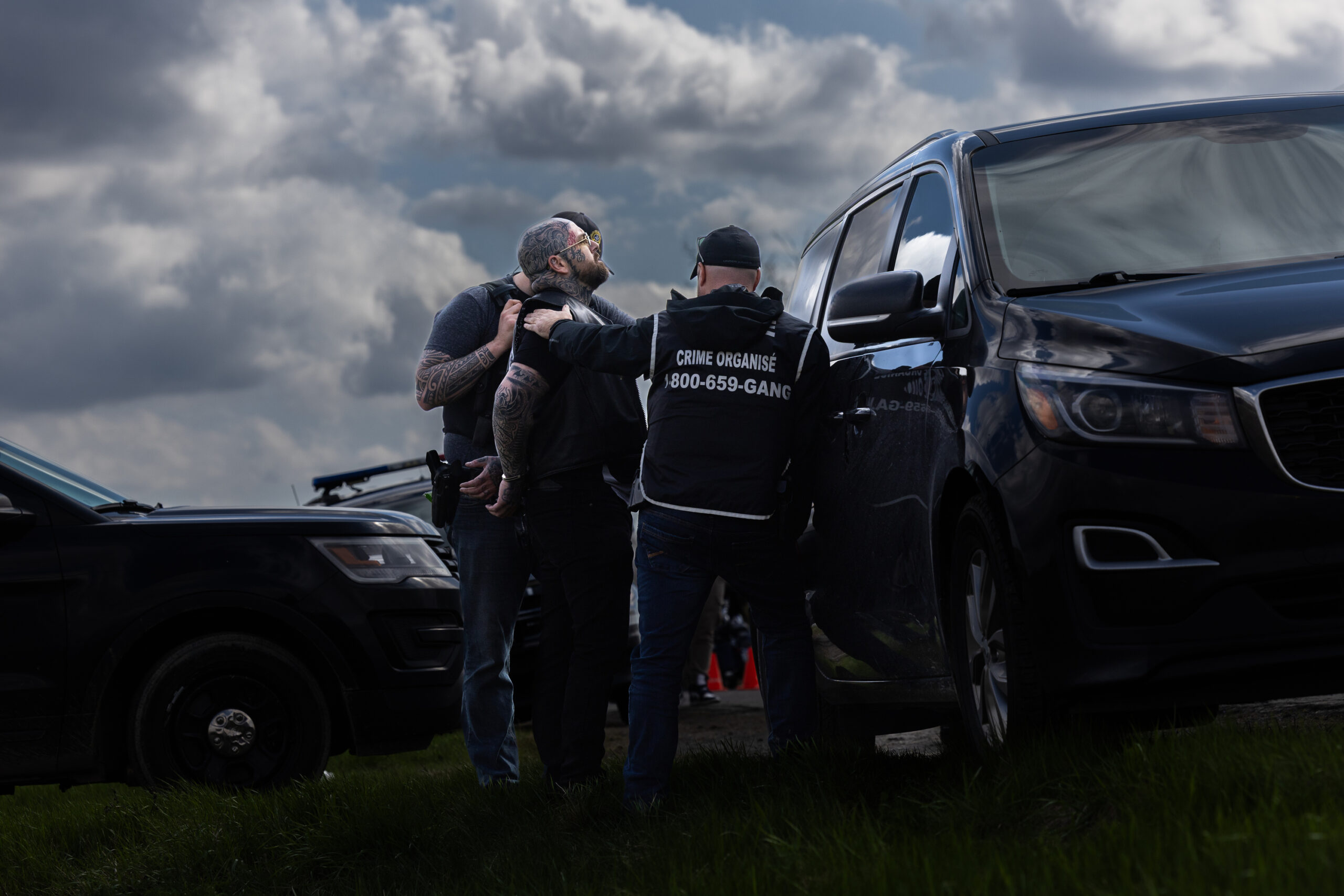
Winner: Martin Tremblay, La Presse, for his photo of a Hells Angel arrest on Montreal’s south shore. Judges said: “The composition effectively draws the viewer toward the police officers and the Hells Angels member’s defiantly uplifted face. It is a powerful storytelling image.”

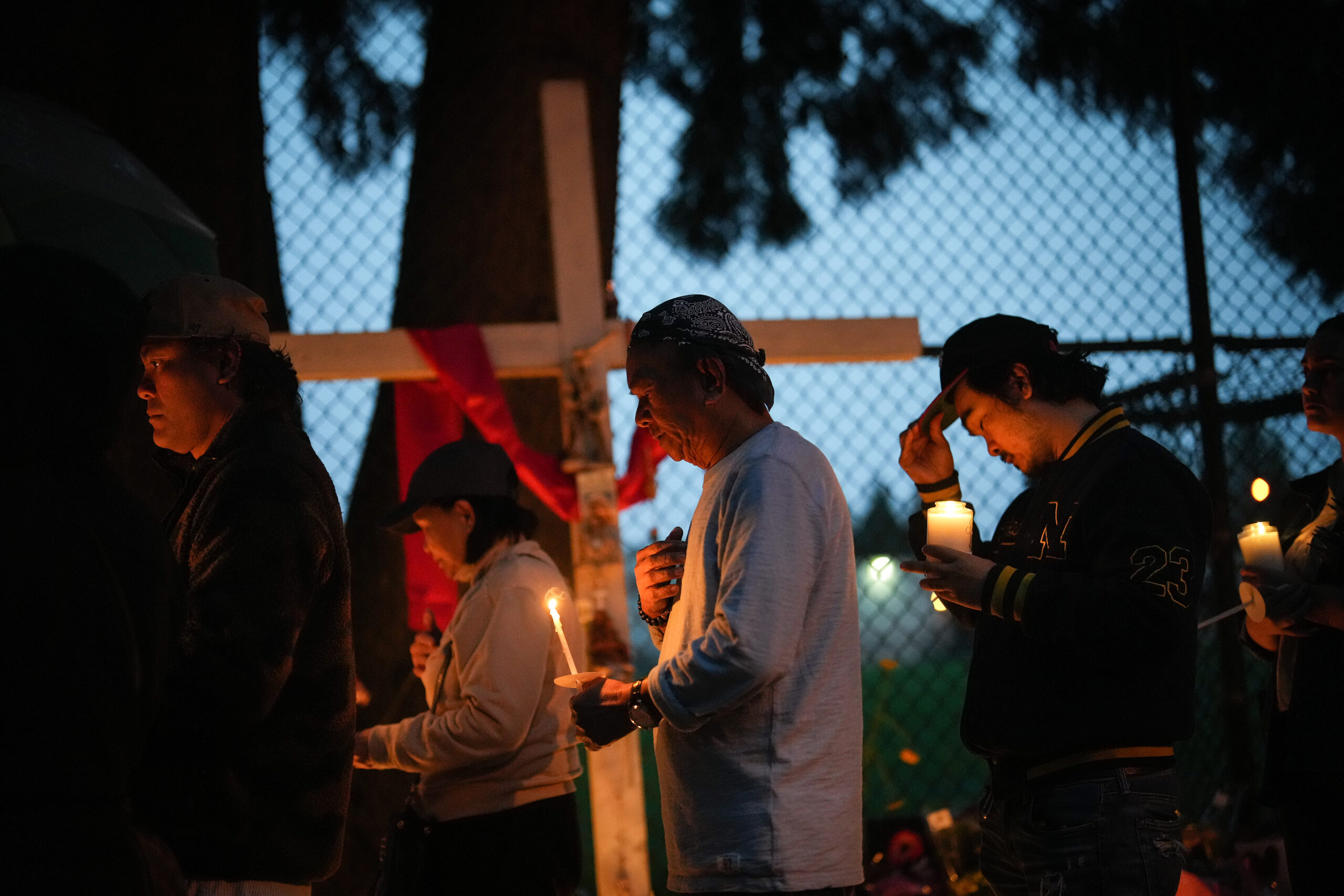
Darryl Dyck, The Canadian Press, for his photo of a candlelight march in Vancouver during a vigil for the victims of the Lapu Lapu festival attack.

Greg Locke, The Globe and Mail, for his photo of an air tanker water-bombing summer wildfires in Newfoundland.

PHOTO STORY

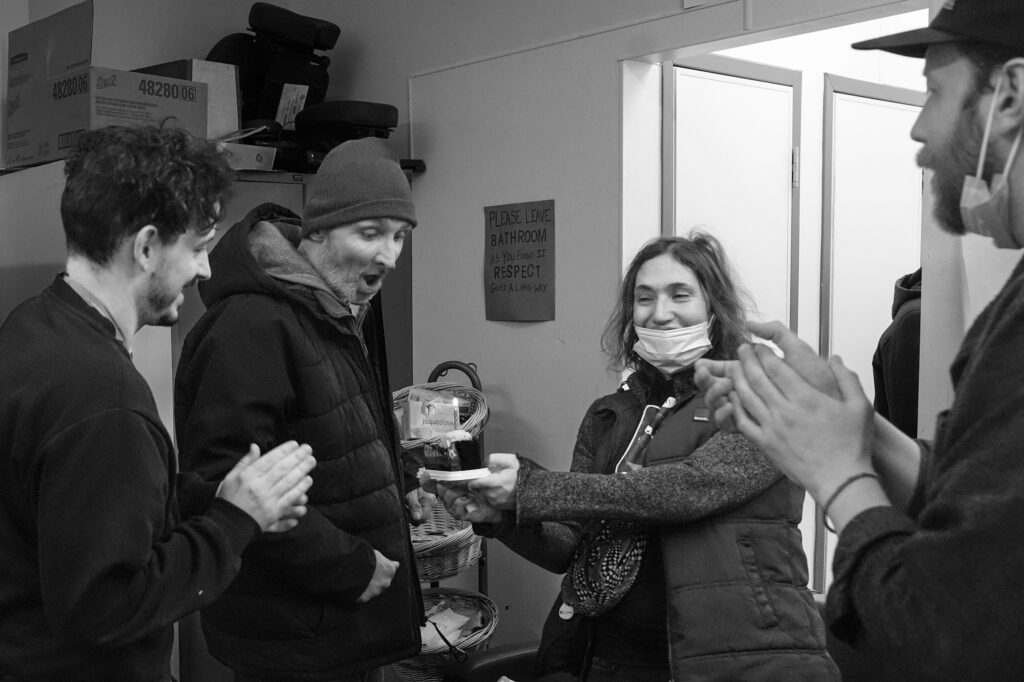
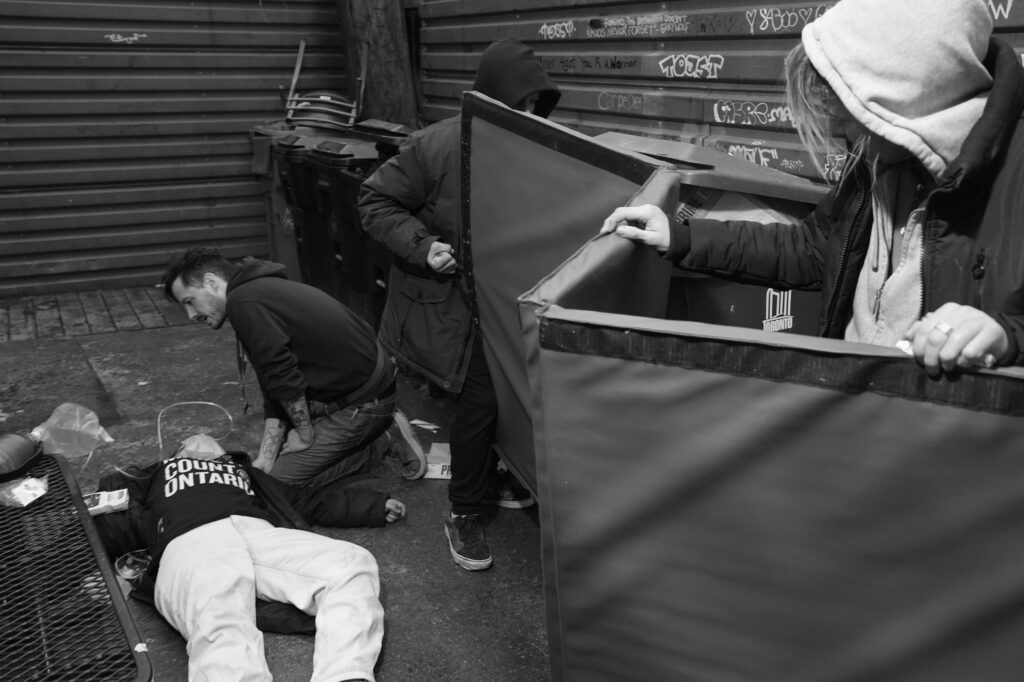
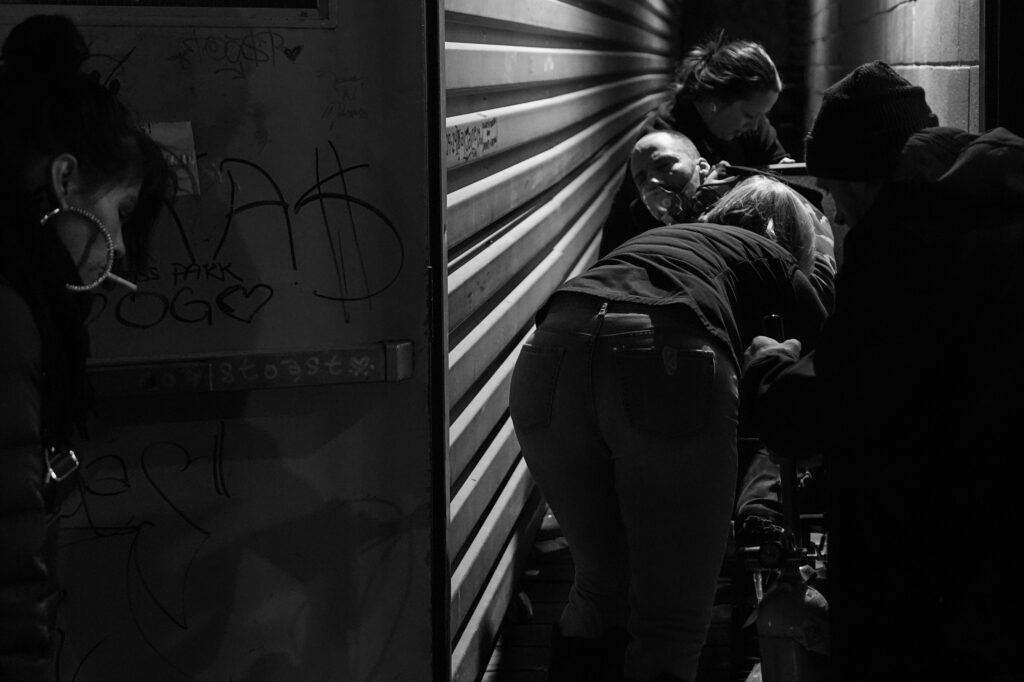
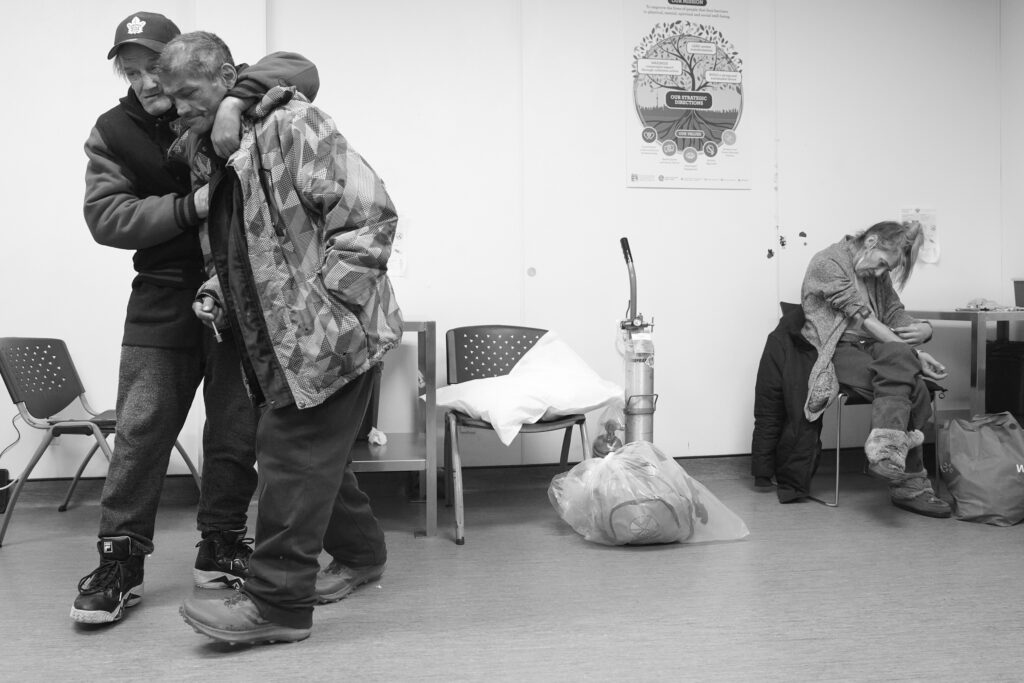
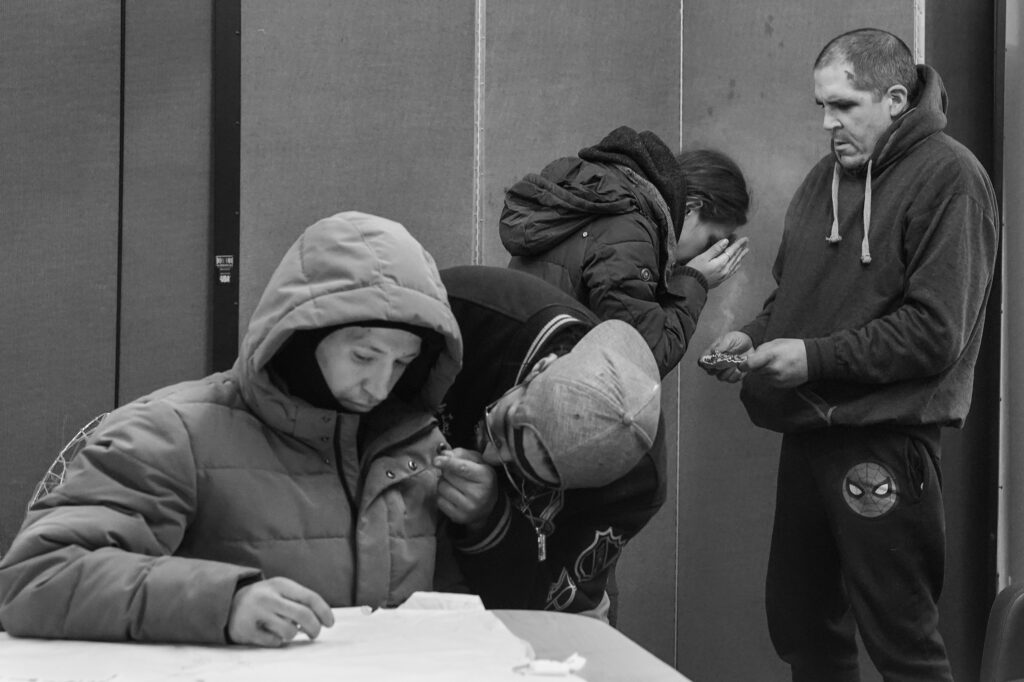
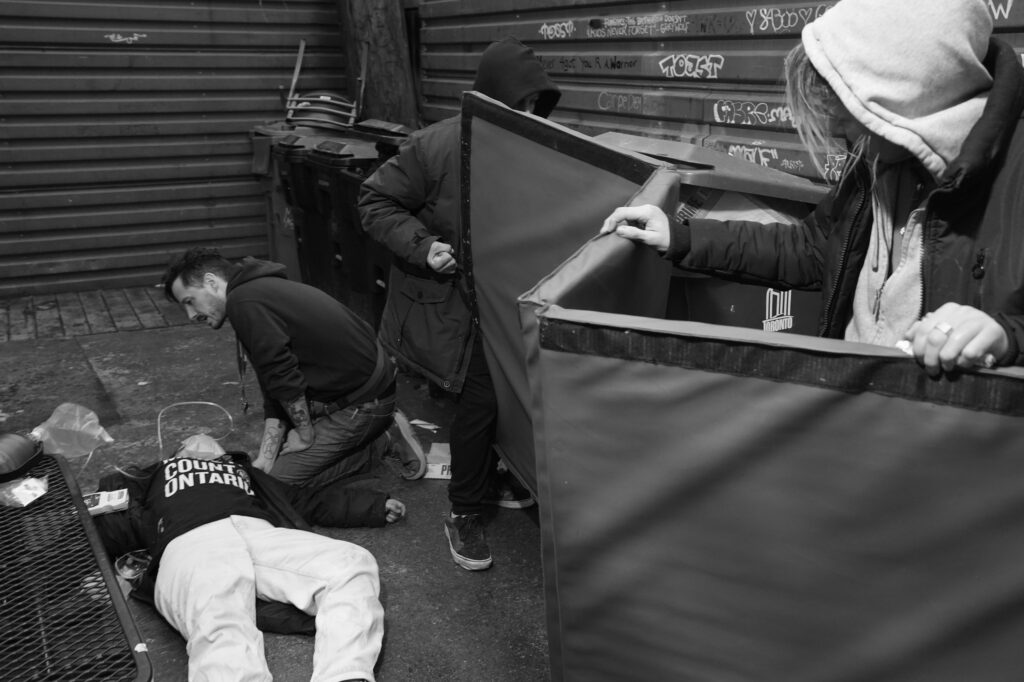
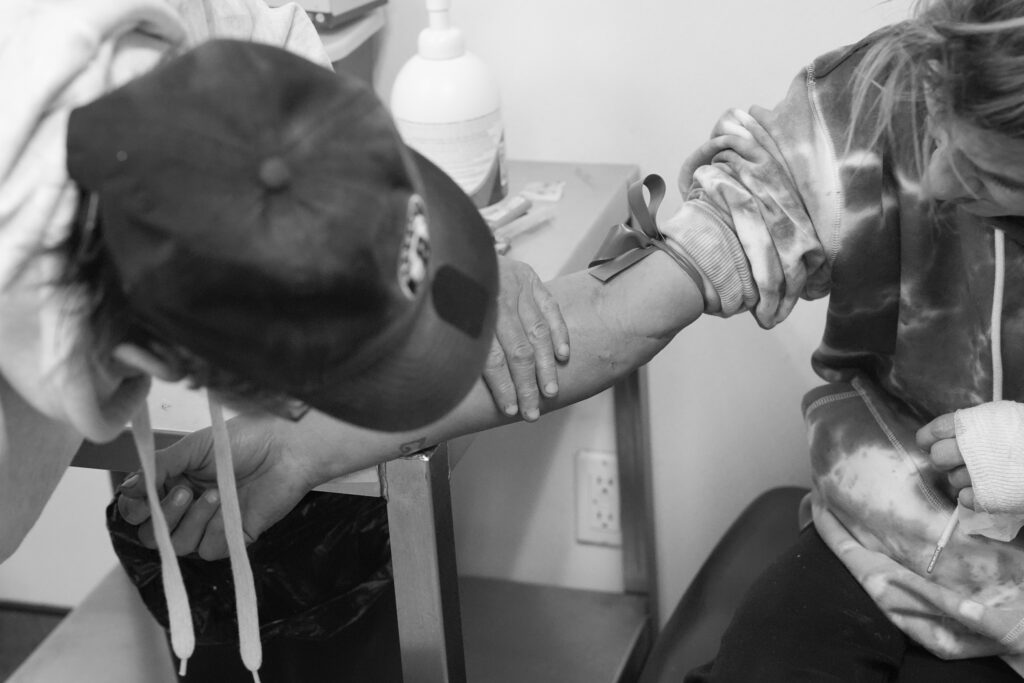
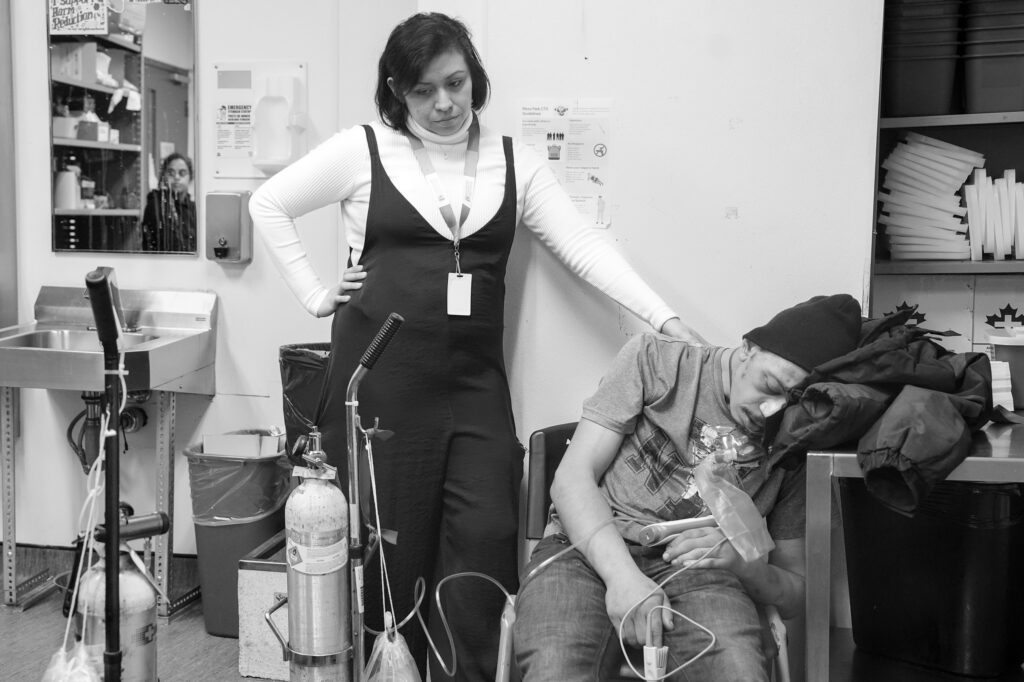
Winner: Chris Young, The Canadian Press, for his series, From Moss Park with Love, documenting the human side of the safe consumption site at the epicentre of Toronto’s opioid crisis. Judges said “the raw imagery captures the trauma of addiction with both compassion and love.”



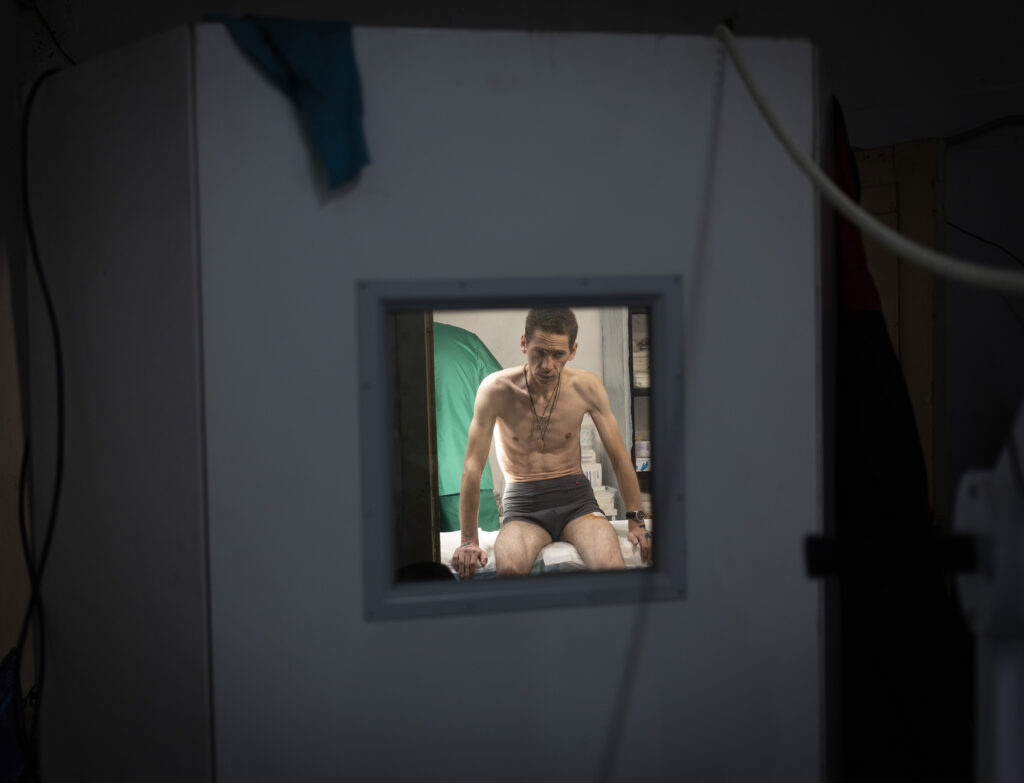
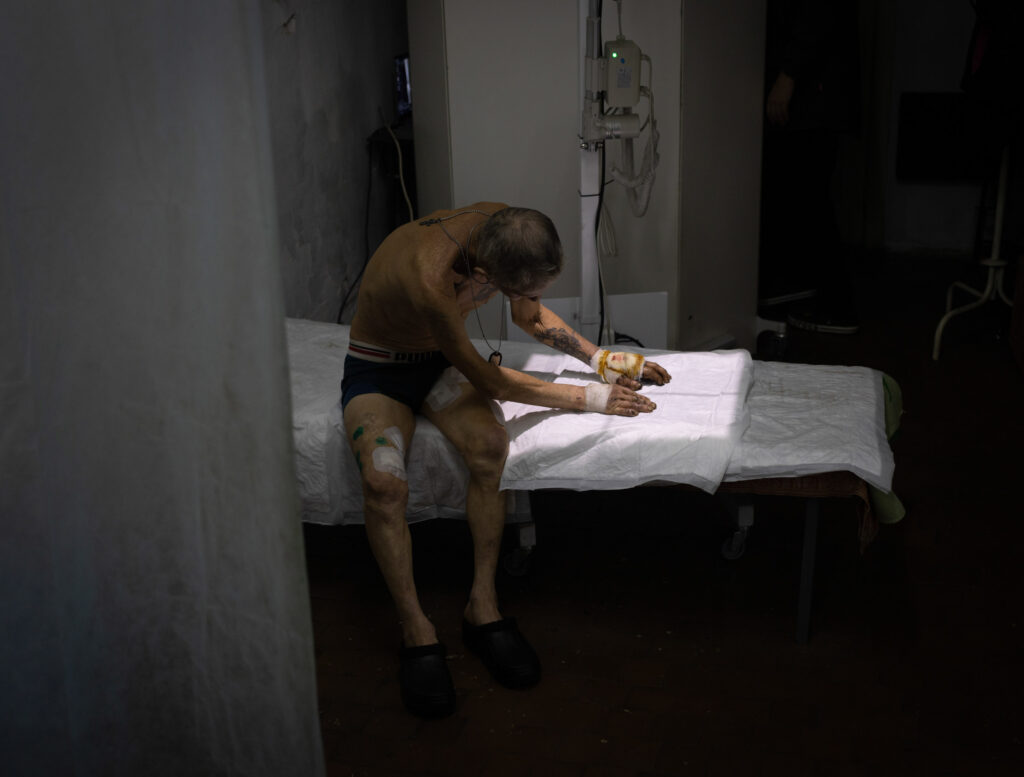
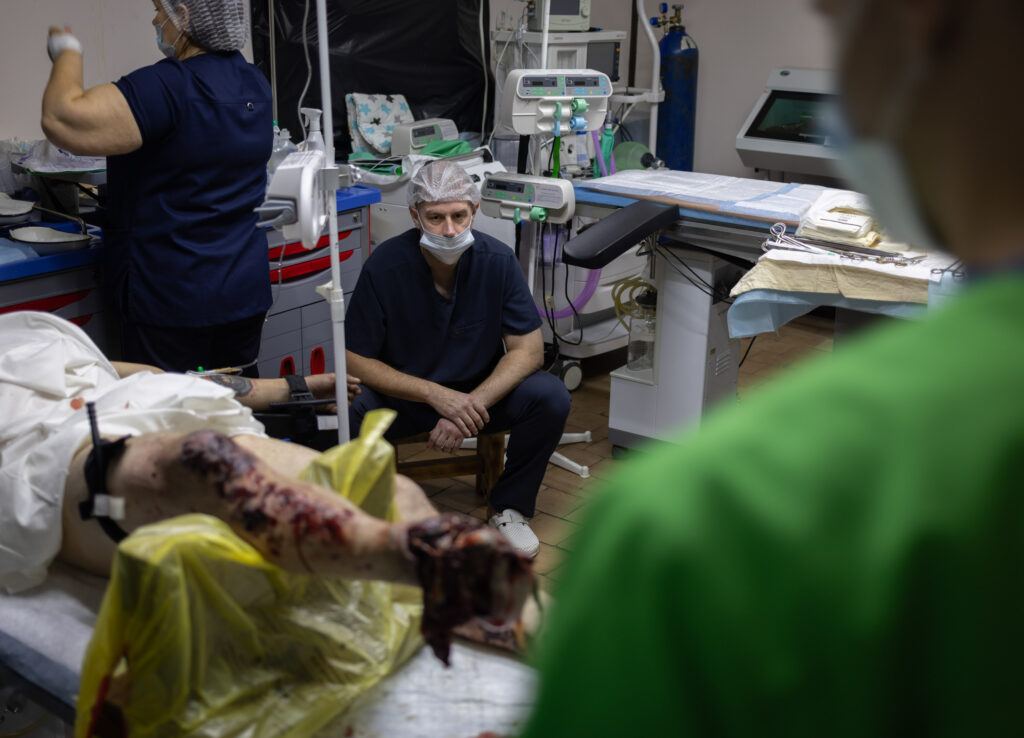
Goran Tomasevic, The Globe and Mail, for his photo series from a Russian-run field hospital in Donbas, where wounded soldiers from both sides are treated just steps from the front lines.
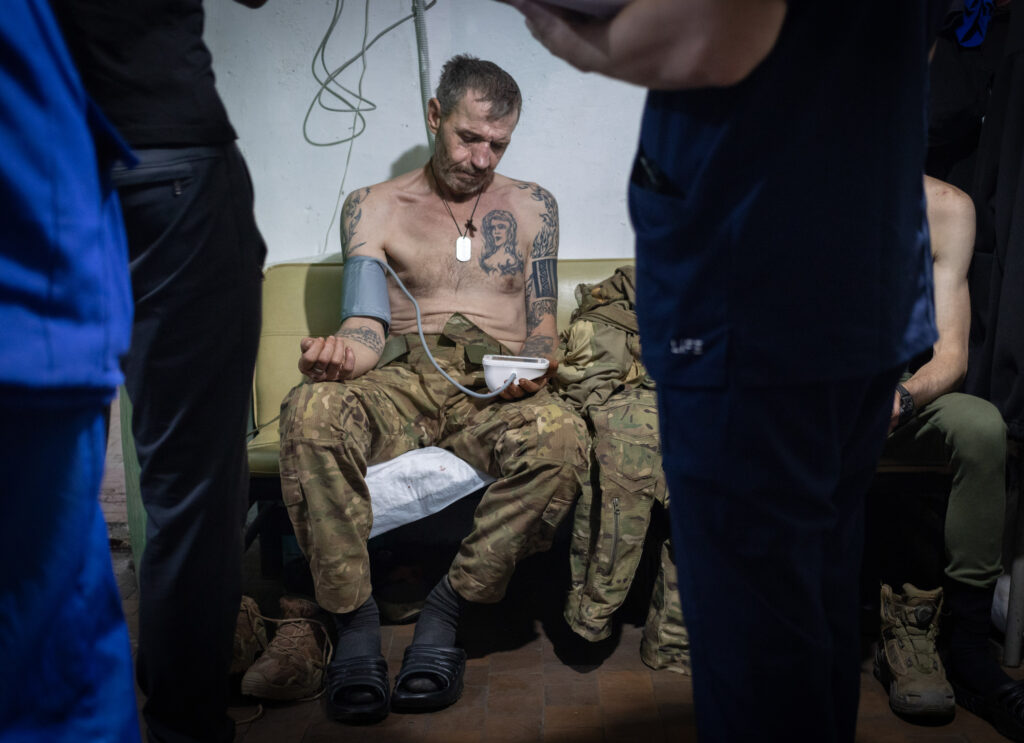
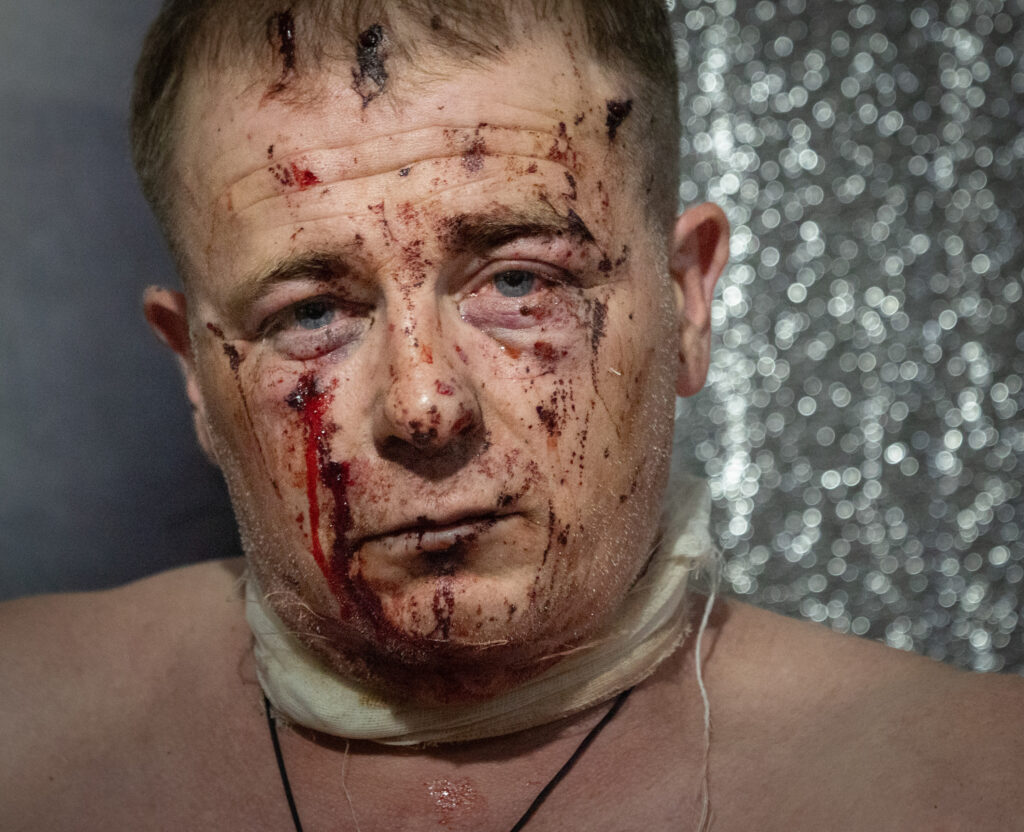
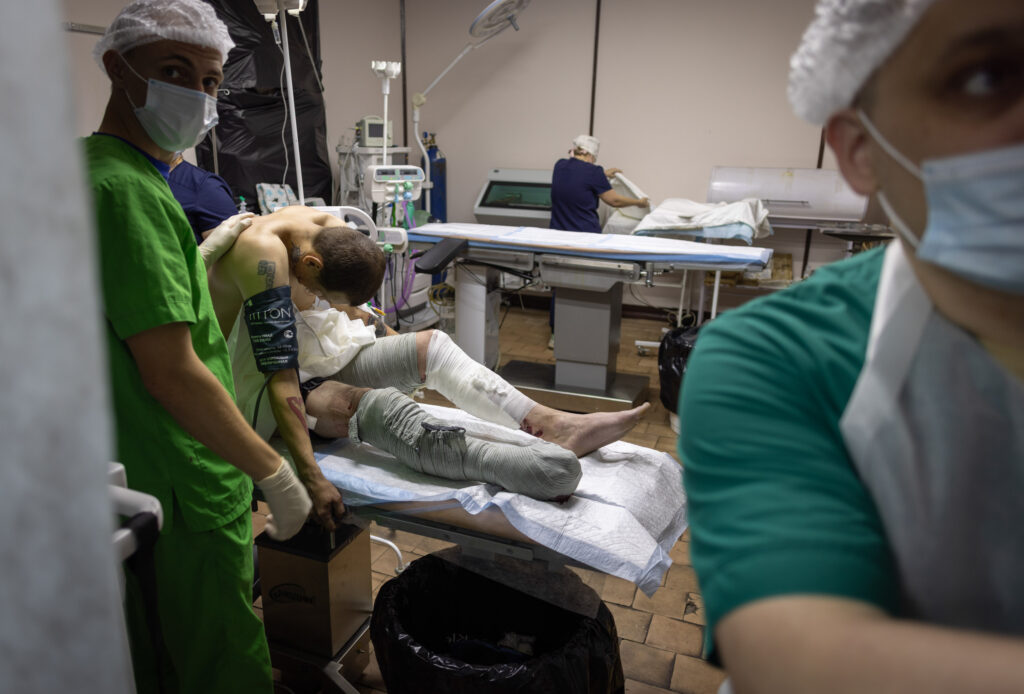
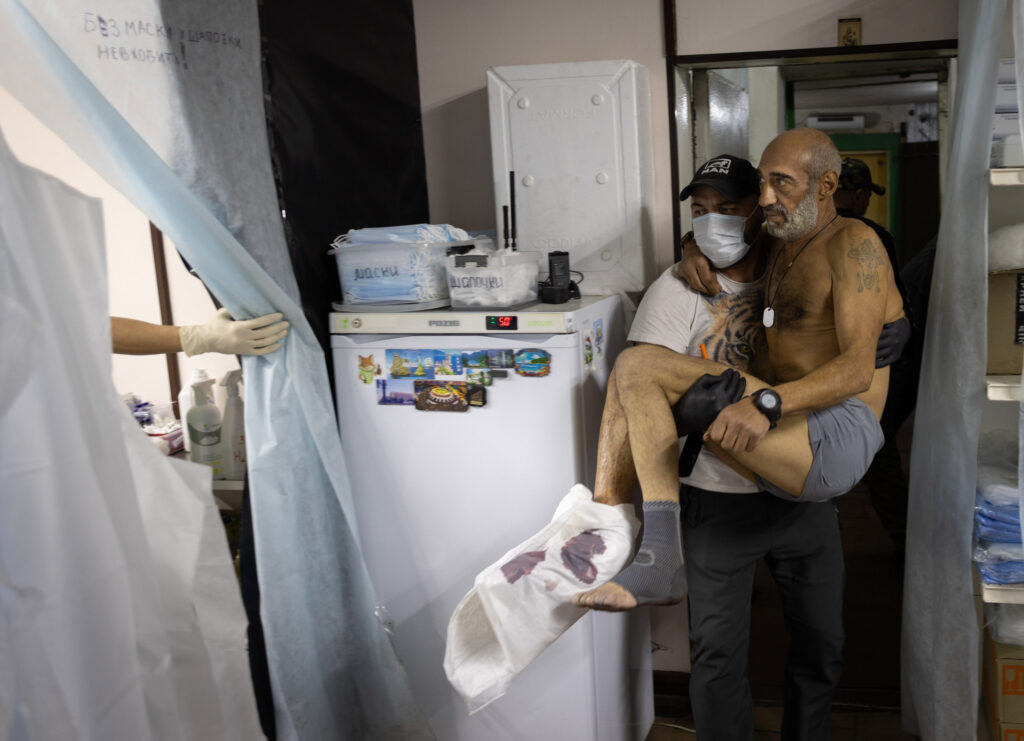




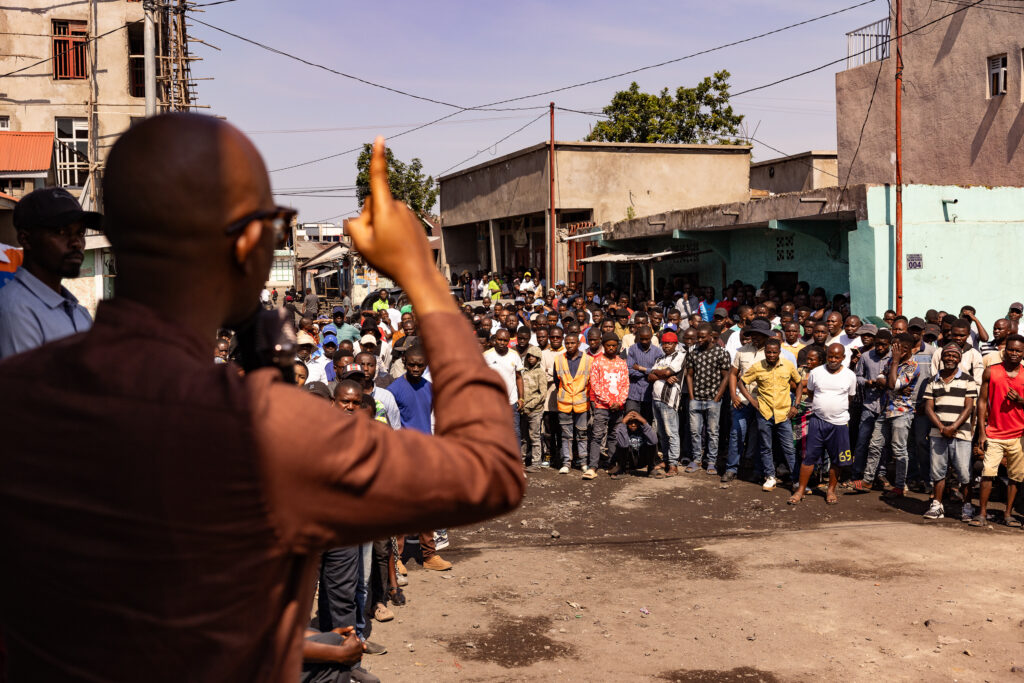
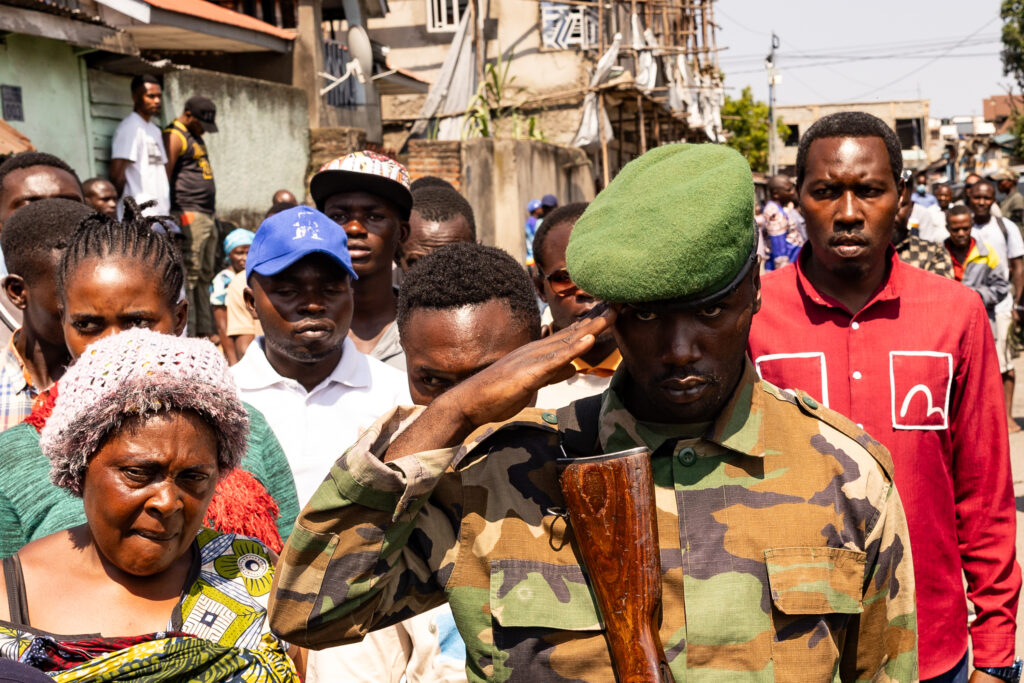
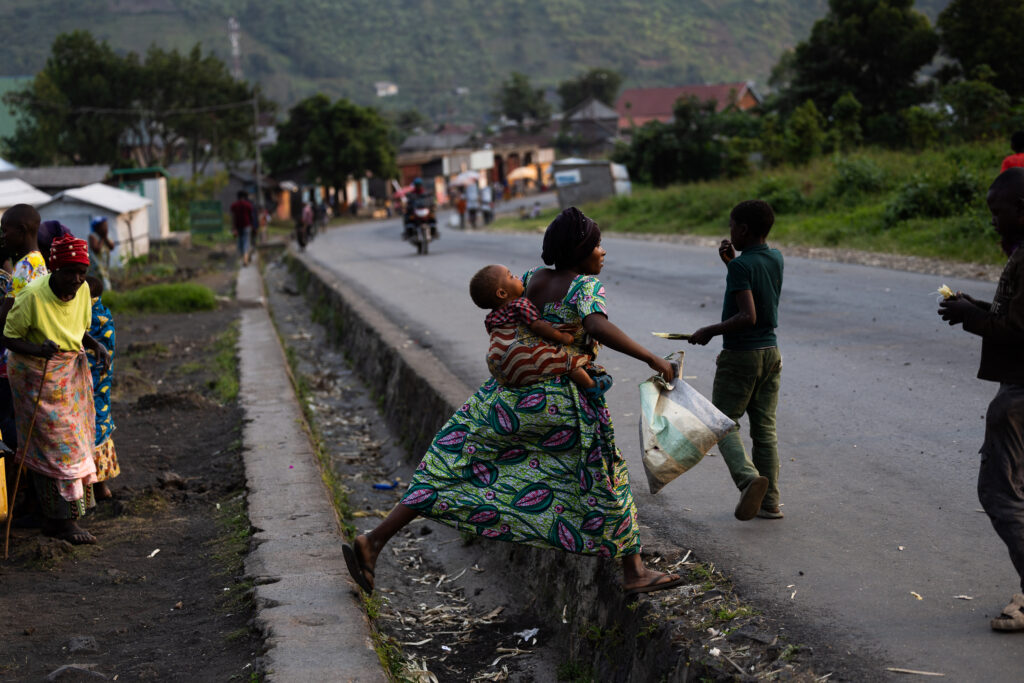
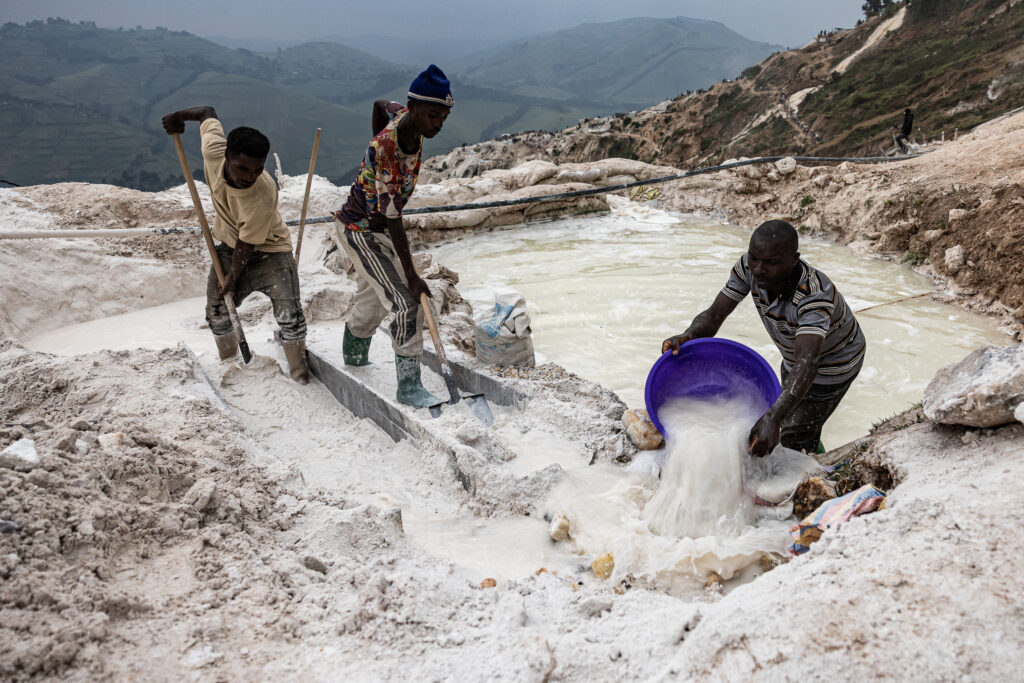
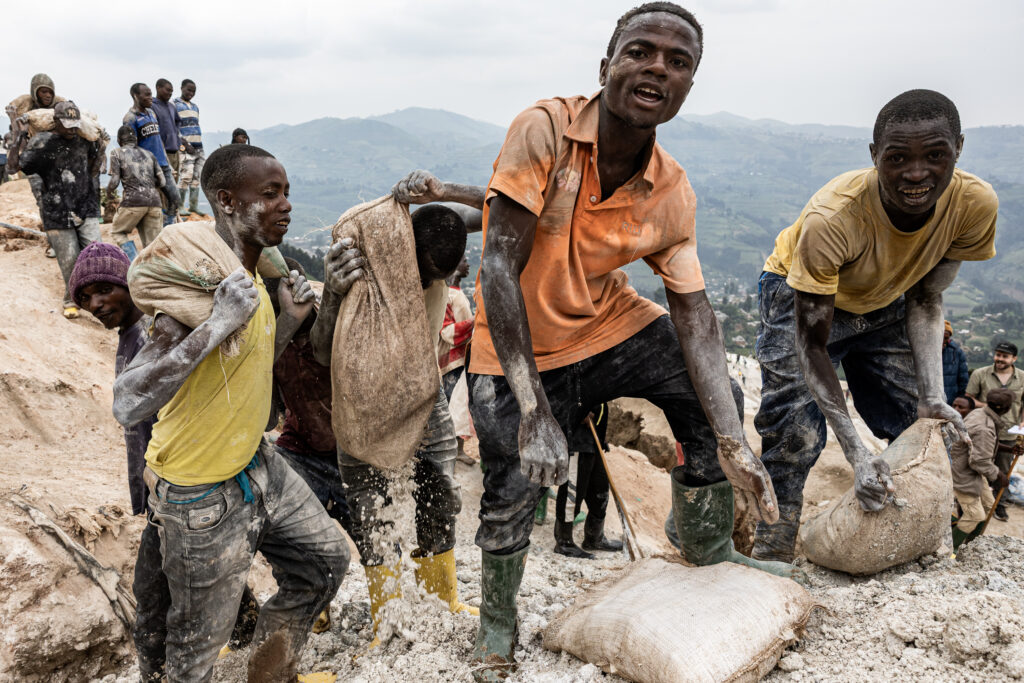
Martin Tremblay, La Presse, for his photos from the Democratic Republic of the Congo, documenting the lives of Congolese workers and the mines that supply the world’s advanced technologies.





JOHN WESLEY DAFOE AWARD for POLITICS
John Wesley Dafoe was the longtime editor of the Winnipeg Free Press, whose writing was required reading in the corridors of power.
This award is sponsored by Ron Stern.


Winner: Carrie Tait, The Globe and Mail, for her exclusives-driven coverage of Alberta’s health care political controversy. Judges praised Tait’s skill in gaining sources’ trust and her courage amid lawsuits and online harassment, saying her work “exemplifies why journalism is a public good.

Katia Gagnon, Ulysse Bergeron, Hugo Joncas and Vincent Larin, La Presse, for their investigation into the scandal at Quebec’s automobile insurance board, resulting in massive public service delays, soaring project costs and a government inquiry.

Jessica Smith Cross, Charlie Pinkerton and Jack Hauen, The Trillium, for their ongoing coverage of power and influence in Ontario politics.
JOHN HONDERICH AWARD for PROJECT OF THE YEAR
John Honderich had an outstanding career at the Toronto Star as a reporter, foreign correspondent, editor, publisher and chair of the board. He was a life-long advocate for excellence and integrity in journalism.
This award is sponsored by the Honderich family.


Winners: Liam Casey and Christopher Katsarov Luna, Canadian Press, for their extensive coverage from the Ring of Fire region in Northern Ontario, highlighting the landscape, the people and the powerful politics at play. Judges said “The project brings genuine depth to a story of economic opportunity, Indigenous rights and the complexities of development.
- Inside the Ring of Fire: A tale of two First Nations and a road that could change everything
- Why northern First Nations still rely on diesel fuel — and what could power the coveted Ring of Fire
- IN PICTURES: On the road to the Ring of Fire | Photo Galleries
- IN PICTURES: What will power the Ring of Fire? | Photo Galleries
- How two northern Ontario communities are diverging on Ring of Fire development

The Globe and Mail, for Poisoned, a series of stories on the opioid crisis, its impact in communities across the country, and devastating consequences.
- How fentanyl transformed Victoria’s Pandora Avenue from downtown hub to open-air drug market
- How opioid deaths are hollowing out the construction industry
- After taking drastic steps on opioids, an Ontario city struggles to find its footing
- Northwestern Ontario wrestles with fentanyl threats from within, and politics from without
- Why are fentanyl deaths in Europe a fraction of those seen in North America?
- No ‘increasing threat’ from sales of fentanyl precursors via India and China, RCMP says
- How ‘tranq’ became a deadly, and increasingly common, addition to Canada’s illicit drug supply
- B.C.’s superlab case underscores challenges of Canada’s resurgent war on drugs

Philippe Mercure and François Roy, La Presse, for The Great Crossing project, a federal election, cross-country road trip aimed at understanding the issues that matter to Canadians.
BOB LEVIN AWARD for SHORT FEATURE
Bob Levin was a true writer’s editor. After 20 years at Maclean’s, he spent a decade at The Globe and Mail, where he was renowned as someone who understood the power of the story being told and the nuance of each word choice.
This award is sponsored by the Globe and Mail
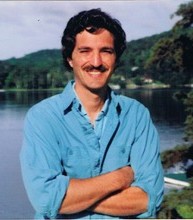

Winner: Simon Drouin, La Presse, for his powerful piece on the final moments of his friend, Pierre Foglia, one of the most influential columnists in Quebec. Judges said Drouin’s short, impactful piece unified readers through their shared love of Foglia and the journalism he represented.

Mike Hager, The Globe and Mail, for his entertaining look at the colourful characters who sell waterbeds to the devoted.

Nono Shen, The Canadian Press, for her novel tariff impact story that took readers on an impromptu journey from Vancouver’s docks to the kitchen of one of Canada’s most renowned Asian chefs.
SPECIAL TOPIC – Journalism in a language other than French or English

Winners: Nunatsiaq News, for a special edition showcasing the impact of the James Bay hydroelectric project and the subsequent James Bay and Northern Quebec Agreement with Inuit and Cree communities. Judges praised the ambition of the project, which unflinchingly looked at the impact – “good and bad – of one of the most complex Indigenous land claim settlements in Canada.”

Debbie Chen, Marcel Tong and Norman Sin, Sing Tao, on the human cost of British Columbia’s overdose crisis and the systemic gaps.
- 14歲華裔少女吸毒致死 父母痛問政府:為何不能強制戒毒? | 多倫多 | 加拿大中文新聞網 – 加拿大星島日報 Canada Chinese News
- 卑詩衛生廳長如何看待14歲華裔女孩吸毒過量致死事件? | 多倫多 | 加拿大中文新聞網 – 加拿大星島日報 Canada Chinese News
- 【專訪/有片】兒子染毒卻屢被戒毒中心拒於門外 母親痛訴毒品政策失敗 | 多倫多 | 加拿大中文新聞網 – 加拿大星島日報 Canada Chinese News
- 【星島民調結果】14歲少女之死大激辯 華裔與主流社會毒品政策看法大不同? | 多倫多 | 加拿大中文新聞網 – 加拿大星島日報 Canada Chinese News
- 【毒品非刑事化項目將終止】14歲女兒死於毒品的華裔母親說:可惜太遲了! | 多倫多 | 加拿大中文新聞網 – 加拿大星島日報 Canada Chinese News
SPORTS

Winners: Ariane Lacoursière and Olivier Jean, La Presse, for their features on amateur sport in Norway, which boasts one of the highest ratios of Olympic medalists per capita in the world. Judges said the series “demonstrates journalism’s capacity to spark courageous and necessary national conversations.”

Gare Joyce, Kingston Whig-Standard, on Don Cherry’s life and complicated legacy in his hometown of Kingston, Ontario.

Jana G. Pruden, The Globe and Mail, for her stories of three professional athletes that examine issues of human resilience, courage and identity.
SPORTS PHOTO

Winner: Darryl Dyck, Canadian Press, for his celebration soccer photo from the Canadian Championship quarterfinal in Vancouver. Judges said. “The uniqueness of this composition pushed this photo over the edge.”


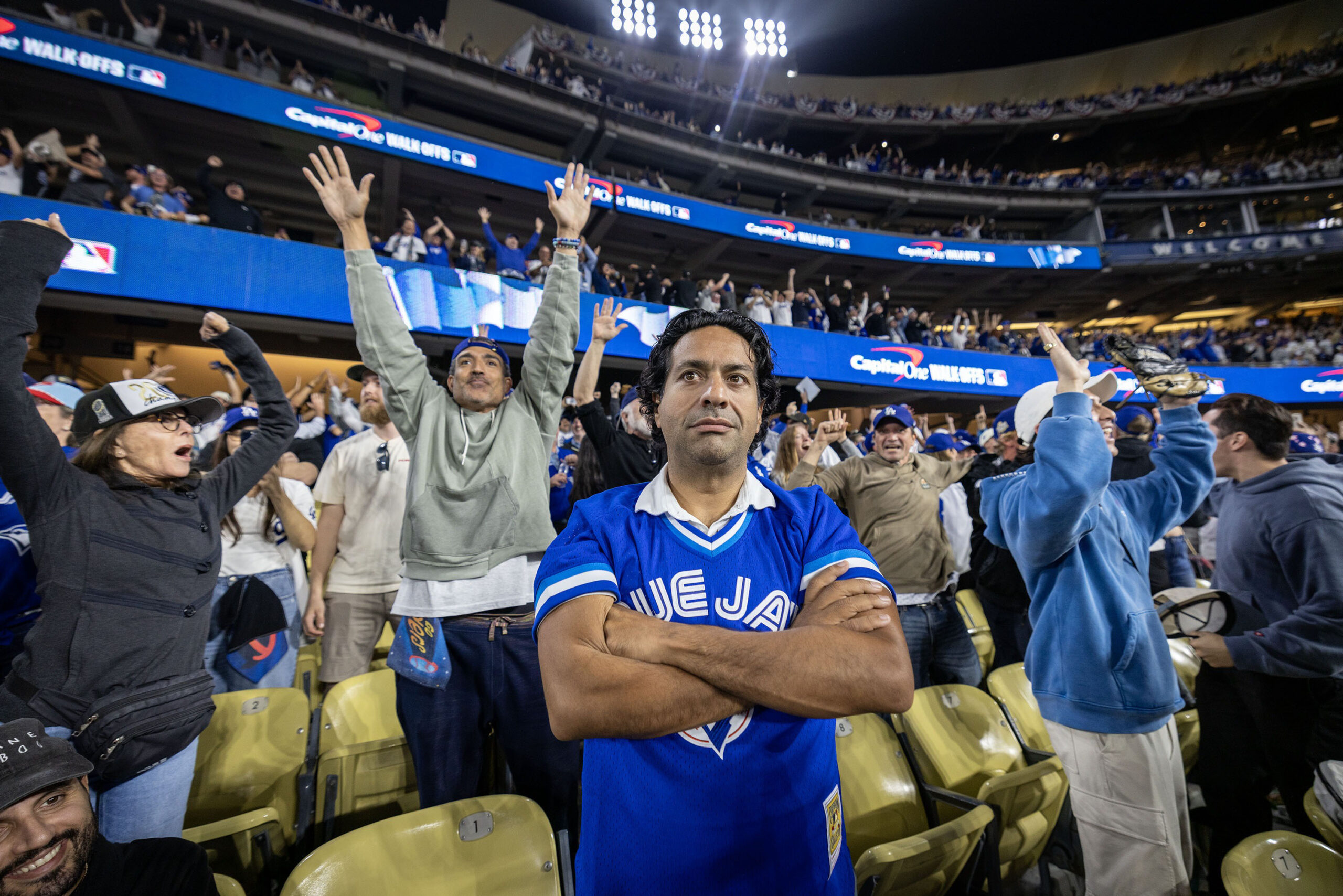
Barbara Davidson, The Globe and Mail, for her photo on the heartbreak of Blue Jays fans after the team’s 18th inning loss.

Frank Gunn, The Canadian Press, for his portrait of L.A. Dodgers’ Shohei Ohtani mid-pitch.

GEOFFREY STEVENS AWARD for SUSTAINED NEWS COVERAGE
Geoffrey Stevens was managing editor of The Globe and Mail and Maclean’s, author of six books about Canadian politics, and widely regarded for his quality, fact-based journalism.
This award is sponsored by the family and friends of Geoffrey Stevens.
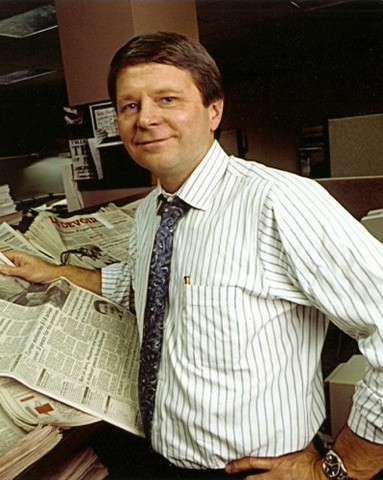

Winners: Nathan VanderKlippe, Alanna Smith, Grant Robertson and Kelly Grant, The Globe and Mail, for their extensive coverage tracking how measles made a comeback in Canada. The judges said: “The series exemplifies public‑service journalism at its best — informing citizens, holding power to account and contributing to the protection of public health.”
- How the measles made its way back to Canada
- ‘If the numbers are right, we’re in trouble’: Behind the comeback of measles in Canada
- On the ground in the epicentre of Ontario’s measles outbreak
- Measles resurgence exposes fault lines over vaccines and faith in Alberta town
- Internal documents show how Alberta’s measles outbreak began to spiral out of control
- Alberta government rejected expert advice to report probable measles cases, documents show
- Canada is close to losing its measles elimination status. What happens then?
- Opinions on measles vaccine differ in Southwestern Ontario after baby’s death

Michelle Berg, Brandon Harder, Larissa Kurz, Kayle Neis and Rob O’Flanagan, Regina Leader Post and Saskatoon Star Phoenix, for their up-close look at the people most impacted by Saskatchewan’s summer of wildfires.
- Men of Weyakwin make a stubborn stand against marauding wildfires
- ‘Anguish is eating me up’: Roaring fires, helping hands in Saskatchewan
- ‘It felt like a death:’ One Saskatchewan family’s flight from wildfires
- A historic Métis site becomes a modern-day haven for evacuees
- ‘Very extreme:’ Looking back on Sask.’s record-setting wildfire season

Toronto Star, for its cross-newsroom coverage of the Blue Jays playoff run as a prolonged civic story that mattered to every part of the city.
- Blue Jays vs. Dodgers World Series Game 3 score, highlights
- Blue Jays lose World Series heartbreaker to Dodgers in Game 7, final score, highlights
- How the 2025 Blue Jays compare to past playoff teams
- Joey Votto: The 1993 Blue Jays changed my childhood
- What U.S. media said after Blue Jays oust Yankees in ALDS
- Blue Jays dream run ends two outs from World Series crown
- Toronto’s Cinderella Blue Jays will live on in our memory
JOURNALIST OF THE YEAR
Winner: Carrie Tait, The Globe and Mail, for her tenacious, ongoing coverage of Alberta’s politically charged health care controversy amid a climate of intimidation and threats.